



In this article
Best Platforms for Professional Networking Beyond LinkedIn
LinkedIn dominates the networking conversation. But it's not the only game in town, and honestly, it's starting to feel a bit crowded. Over 1,3 billion people now hold LinkedIn profiles, yet engagement rates on the platform have dropped noticeably as feeds fill with recycled content and automated connection requests. Professionals are looking elsewhere for real conversations.
https://www.pexels.com/photo/36766738/
Why LinkedIn Isn't Enough Anymore
Think about the last time you had a genuine, unscripted conversation on LinkedIn. Hard to remember, right? The platform rewards polished posts and humble-brag stories, not spontaneous connection.
That's pushed a lot of people toward smaller, more focused communities. Some want niche expertise. Others just want fewer algorithms deciding who sees their message.
Slack Communities Built for Industry Talk
Slack isn't just for office chatter anymore. Thousands of paid and free communities now run entirely on Slack, organized around specific industries like marketing, design, or startups. Members ask questions, share job leads, and get feedback within hours rather than days.
What makes this format work is intimacy. A Slack group of 500 people feels far more personal than a LinkedIn feed of 50,000 followers, and replies tend to come faster too.
Discord Servers for Niche Professionals
Discord started as a gaming tool, yet it's quietly become a networking hub for developers, writers, and creative freelancers. Voice channels let people jump into casual conversations the same way they'd chat by a coffee machine.
Many Discord servers now host regular "office hours" where senior professionals answer questions live. No scheduling required. You just show up, and that low-friction setup is exactly why so many younger professionals prefer it over formal platforms.
X (Twitter) for Real-Time Industry Conversations
Despite the rebrand, X still holds enormous value for professional visibility. Journalists, founders, and researchers post updates the moment they happen, often before traditional news outlets catch up. Replying to the right thread at the right time can lead to a genuine connection faster than any cold LinkedIn message ever could.
The trick is consistency. People who show up daily, share opinions, and engage thoughtfully tend to build stronger networks than those who only post occasionally. It takes patience, but the payoff is real.
Reddit's Professional Subreddits
Reddit rarely gets credit as a networking tool, but subreddits like r/cscareerquestions or r/marketing host active, detailed discussions every single day. Anonymity actually helps here. People give blunt, honest advice they might never share under their real name.
This openness builds trust in unexpected ways. Users return to the same threads repeatedly, recognize familiar usernames, and eventually move conversations into direct messages. It's networking without the performative polish.
Clubhouse and Audio-First Networking Rooms
Audio platforms had a moment during the pandemic, and while the hype cooled, the format stuck around for a reason. Clubhouse rooms let listeners hear how someone actually thinks, not just how they write a bio.
Voice reveals tone, hesitation, and personality — things text can't capture. A five-minute conversation in an audio room sometimes builds more trust than weeks of scrolling through someone's posts.
Quick Chat Apps for Instant Professional Contact
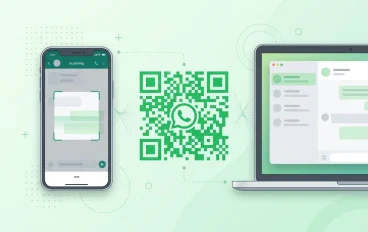
Sometimes networking doesn't require a whole platform. It just requires a quick, private way to talk. Instead of drafting a formal LinkedIn message and waiting days for a reply, professionals increasingly prefer jumping straight into a short call. It's direct, it's efficient, and honestly, it skips the small talk that eats up so much time on larger platforms.
To stay up-to-date on the latest trends, you can use apps for casual communication. Quite often, people share their experiences, news, and perspectives on one of the services I tested called CallMeChat. It's a way to get first-hand information and discuss it.
Meetup and In-Person Local Events
Digital tools are convenient, sure, but nothing fully replaces a handshake. Meetup still organizes over 300,000 groups worldwide, covering everything from coding bootcamps to industry mixers. Attending even one event a month can noticeably expand a professional circle.
Local events also solve a problem online platforms can't: memory. People remember faces, not usernames. A face-to-face conversation at a meetup often turns into a lasting connection far more reliably than a LinkedIn request that gets ignored.
Substack and Newsletter Communities
Newsletters aren't just for reading anymore. Substack, in particular, has built comment sections and chat features that let readers talk directly with writers. Subscribing to a niche newsletter can put you in touch with an entire community of like-minded professionals.
Writers often reply personally to thoughtful comments, something that almost never happens on larger platforms. That personal touch builds relationships slowly, but those relationships tend to last.
Product Hunt and Beta Communities
Product Hunt is a launchpad for makers. Millions of tech enthusiasts visit it. If you build a product, launch there. But don’t just launch. Comment on other products. Give feedback. Support other makers. That’s how you become part of the community.
Beta communities like Indie Hackers offer honest advice. People share revenue numbers, failures, and wins. The conversation is raw. No suits, no pretense. That kind of environment can lead to partnerships, customers, and lasting friendships. It’s networking through shared work.
Choosing the Right Platform for You
There's no single "best" platform, honestly. It depends on what kind of connection you're after. Fast conversations call for chat-based tools. Deep discussions fit better on Slack or Reddit. Visibility and public reputation still lean toward X or LinkedIn.
The smartest approach combines a few of these rather than betting everything on one. Try two or three platforms for a month, see where conversations actually happen, and build from there. Networking, after all, isn't about collecting contacts — it's about finding people worth talking to.
Keep up with خدمه نشر اموالي
Choose site notifications, email, or both. Guests can subscribe by email without an account.
Report this article
Tell our review team about a problem with this content. Your details will not be shown to the author or other readers.
Your report could not be sent. Please try again later.
Sign in to report an article





Discussion
comments (0)
Share a perspective. Start a thoughtful conversation.
please login to be able to comment