
In this article
Silent Hill: Townfall: Is It One of the Best Psychological Horror Games Yet?
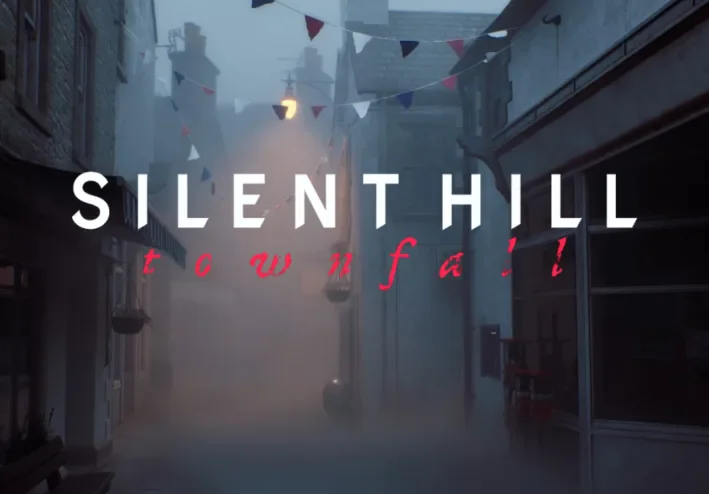
The Silent Hill franchise has always been known for psychological horror, disturbing environments, mysterious stories, and unforgettable creatures. With Silent Hill: Townfall, the series takes another bold step in a new direction, introducing a different setting, a new protagonist, and a first-person perspective designed to make the horror feel more personal and immersive.
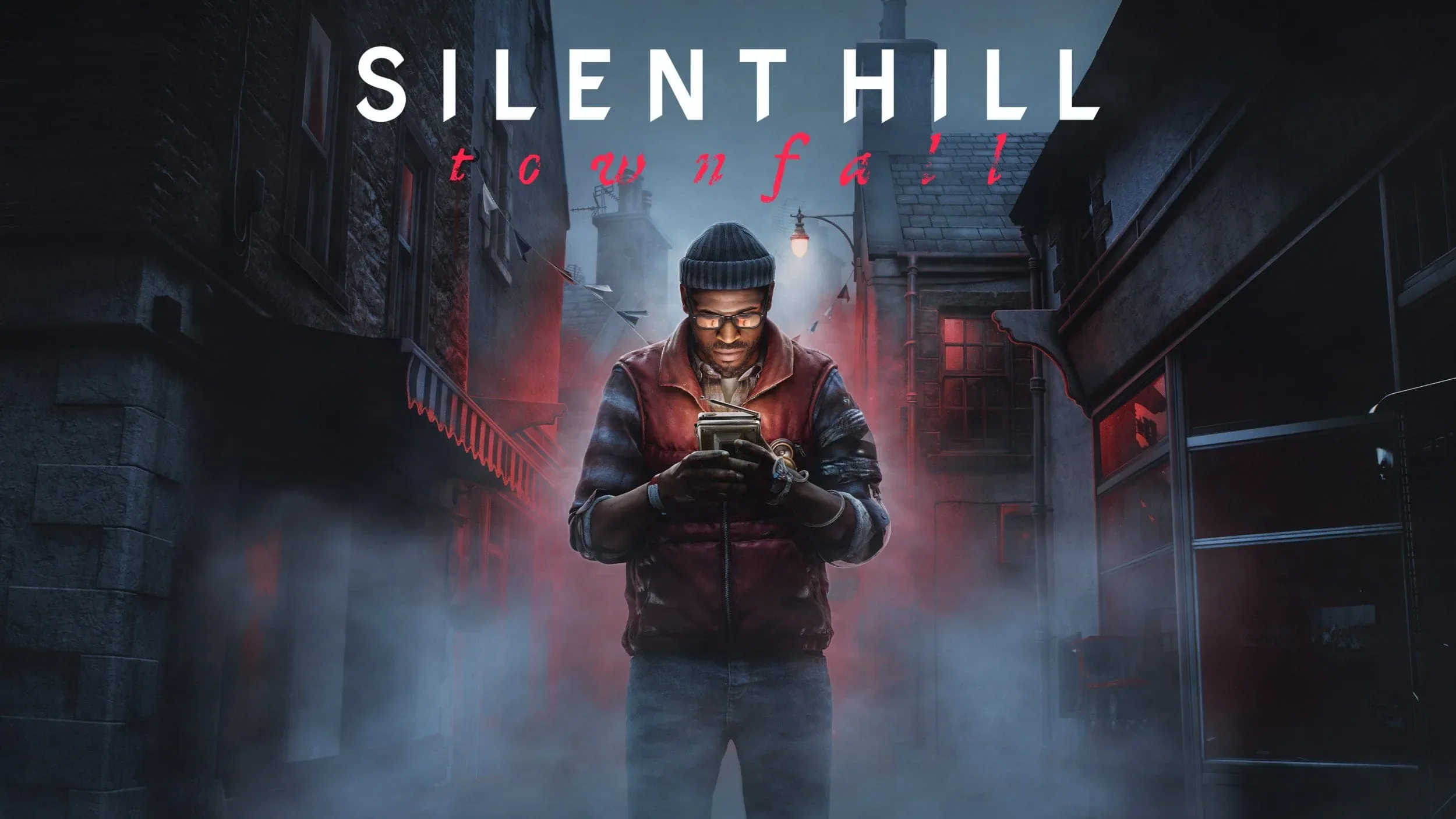
Developed by Screen Burn Interactive and published by Konami and Annapurna Interactive, Silent Hill: Townfall takes players to the fictional Scottish island community of St. Amelia. The game follows Simon Ordell, who arrives in the isolated town and quickly discovers that something is deeply wrong.
Rather than turning the series into a fast-paced action game, Townfall focuses on what Silent Hill does best: psychological horror, exploration, puzzles, atmosphere, and mystery.
A Mysterious and Psychological Story
The story follows Simon Ordell as he enters the isolated community of St. Amelia, a place that appears abandoned and increasingly disconnected from reality.
As Simon explores the town, he begins discovering clues about what happened to the people who lived there. The deeper he goes, the more the line between reality and the supernatural begins to disappear.
The story focuses heavily on themes such as guilt, trauma, responsibility, isolation, and the consequences of past actions.
Instead of explaining everything directly, Townfall encourages players to piece the story together through environmental details, documents, conversations, recordings, and mysterious events.
This approach fits the Silent Hill formula extremely well because the player is constantly questioning what is real and what is part of Simon's psychological experience.
Graphics and Atmosphere
One of the strongest aspects of Silent Hill: Townfall is its visual identity.
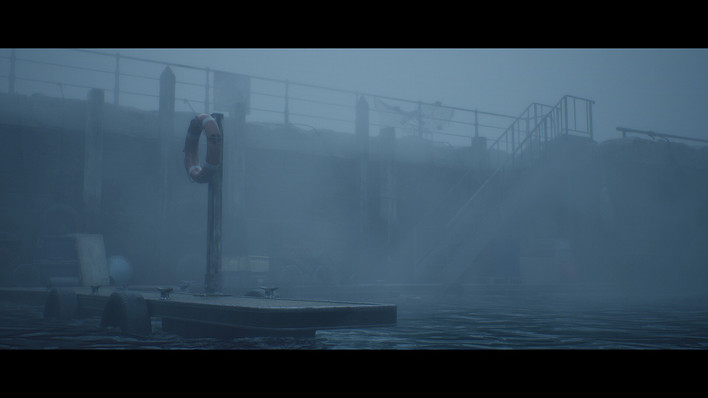
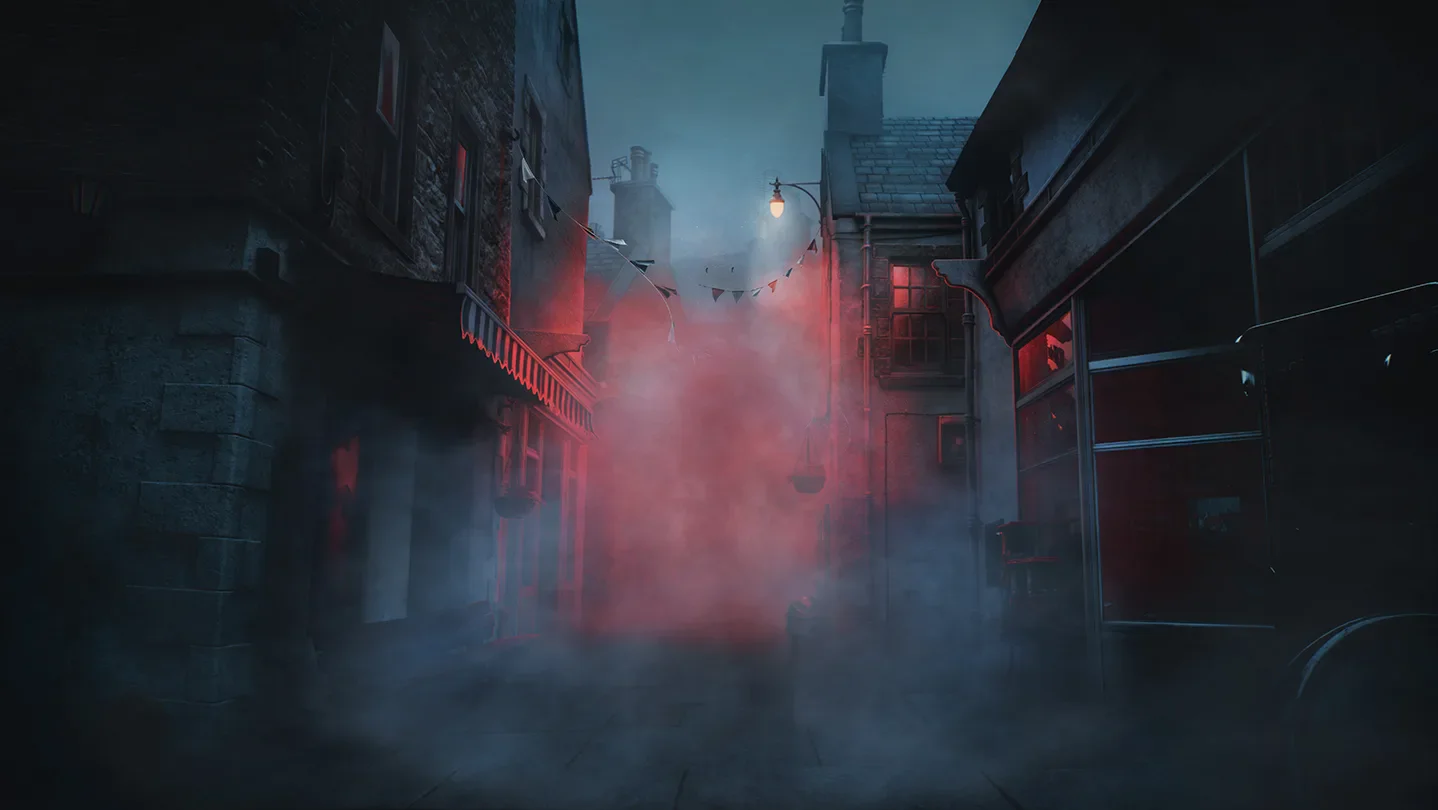
Instead of returning to the familiar American town associated with previous entries, Townfall introduces a remote Scottish setting filled with old stone buildings, narrow streets, abandoned houses, heavy fog, and dark coastal environments.
The contrast between the beautiful Scottish landscape and the disturbing supernatural events creates a unique atmosphere.
Lighting is also extremely important.
The normal world is often covered in cold blue and gray tones, while the supernatural world introduces darker reds and disturbing visual effects.
The result is an environment that constantly feels unsafe.
The game also uses modern lighting, environmental effects, detailed character models, and atmospheric fog to create a cinematic horror experience.
However, the graphics are not simply there to look impressive. The environment is an important part of the storytelling.
A strange building or abandoned room can contain clues about the story, while changes in the environment can reveal that something supernatural is happening.
Gameplay: Survival Horror, Not Hack-and-Slash
One important thing needs to be clarified: Silent Hill: Townfall is not a Hack-and-Slash game.
Instead, it is primarily a psychological survival horror game focused on exploration, puzzles, stealth, atmosphere, and limited combat.
This is an important design decision because Silent Hill has traditionally been about making the player feel vulnerable.
The goal is not to make players feel like unstoppable heroes.
Instead, the game wants players to carefully explore their surroundings, listen to sounds, conserve resources, and decide when it is better to avoid danger rather than confront it.
The first-person perspective makes this even more effective.
Because players cannot see the character from a traditional third-person camera, their vision is limited, making dark corridors and unexpected sounds significantly more frightening.
Exploration and Puzzles
Exploration plays a major role in Townfall.
Players must investigate abandoned locations, search for clues, discover hidden areas, and solve environmental puzzles.
The puzzles are not simply random challenges placed between combat sections.
Many of them are connected directly to the environment and the story.
This means that players need to pay attention to details around them instead of simply following objective markers.
Some puzzles can be difficult and intentionally confusing, which fits the philosophy of Silent Hill but may frustrate players who prefer straightforward progression.
What Are Critics Saying?
The critical reception of Silent Hill: Townfall has been generally positive.
Reviewers have particularly praised the game's atmosphere, visual design, sound, storytelling, and psychological horror elements.
Several critics have also highlighted the first-person perspective as one of the game's most effective decisions because it makes exploration feel more intimate and unpredictable.
However, the game is not without weaknesses.
Some critics have pointed toward certain puzzles being unnecessarily difficult or unclear, while some creature and character designs do not always reach the same quality as the environments.
Despite these criticisms, the overall impression is that Townfall successfully captures the unsettling identity of Silent Hill while introducing enough new ideas to distinguish itself from previous games.
How Does It Compare to Previous Silent Hill Games?
Comparing Townfall to the classic Silent Hill games is difficult.
Silent Hill 2 remains one of the most influential psychological horror games ever created, so expecting every new entry to surpass it would be unrealistic.
Instead, Townfall attempts to build on the series' core ideas.
The game maintains the focus on psychological horror and mysterious storytelling while introducing a Scottish setting, a first-person camera, new puzzle mechanics, and a different approach to exploration.
This makes Townfall one of the more experimental entries in the franchise.
It does not simply attempt to recreate the original games.
Instead, it tries to answer an important question:
What would Silent Hill look like if the same psychological horror was placed somewhere completely different?
The answer is a game that feels familiar while still having its own identity.
Final Verdict
Silent Hill: Townfall proves that the franchise can still experiment without losing its identity.
Its strongest elements are its atmosphere, psychological storytelling, visual design, sound, exploration, and mysterious world.
The first-person perspective also gives the horror a much more personal feeling, making players feel trapped inside Simon's experience.
Its biggest weaknesses are some overly confusing puzzles and a few creatures and characters that are less impressive than the environments surrounding them.
Still, Townfall succeeds where many horror games struggle: it creates an atmosphere that stays with you even when nothing is happening.
It does not need constant jumpscares or nonstop combat to create fear.
Instead, it uses silence, darkness, strange sounds, environmental storytelling, and uncertainty.
For fans of the original Silent Hill games, Townfall offers a fresh interpretation of the formula. For newcomers, it provides an atmospheric psychological horror experience that stands on its own.
It may not completely replace the legendary status of Silent Hill 2, but it deserves recognition as one of the franchise's strongest modern experiments.
Final Rating: 8.5/10
A haunting psychological horror experience with an excellent atmosphere, intriguing story, impressive visuals, and a unique identity within the Silent Hill franchise.
Keep up with youssef mohamed ahmed
Choose site notifications, email, or both. Guests can subscribe by email without an account.
Report this article
Tell our review team about a problem with this content. Your details will not be shown to the author or other readers.
Your report could not be sent. Please try again later.
Sign in to report an article









Discussion
comments (0)
Share a perspective. Start a thoughtful conversation.
please login to be able to comment