


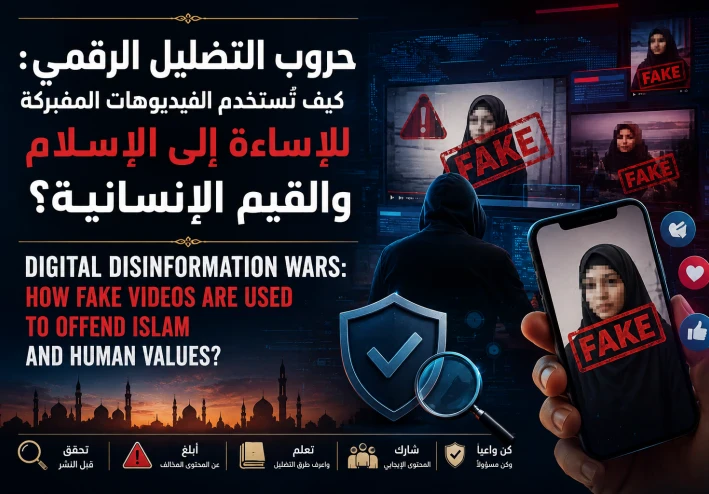
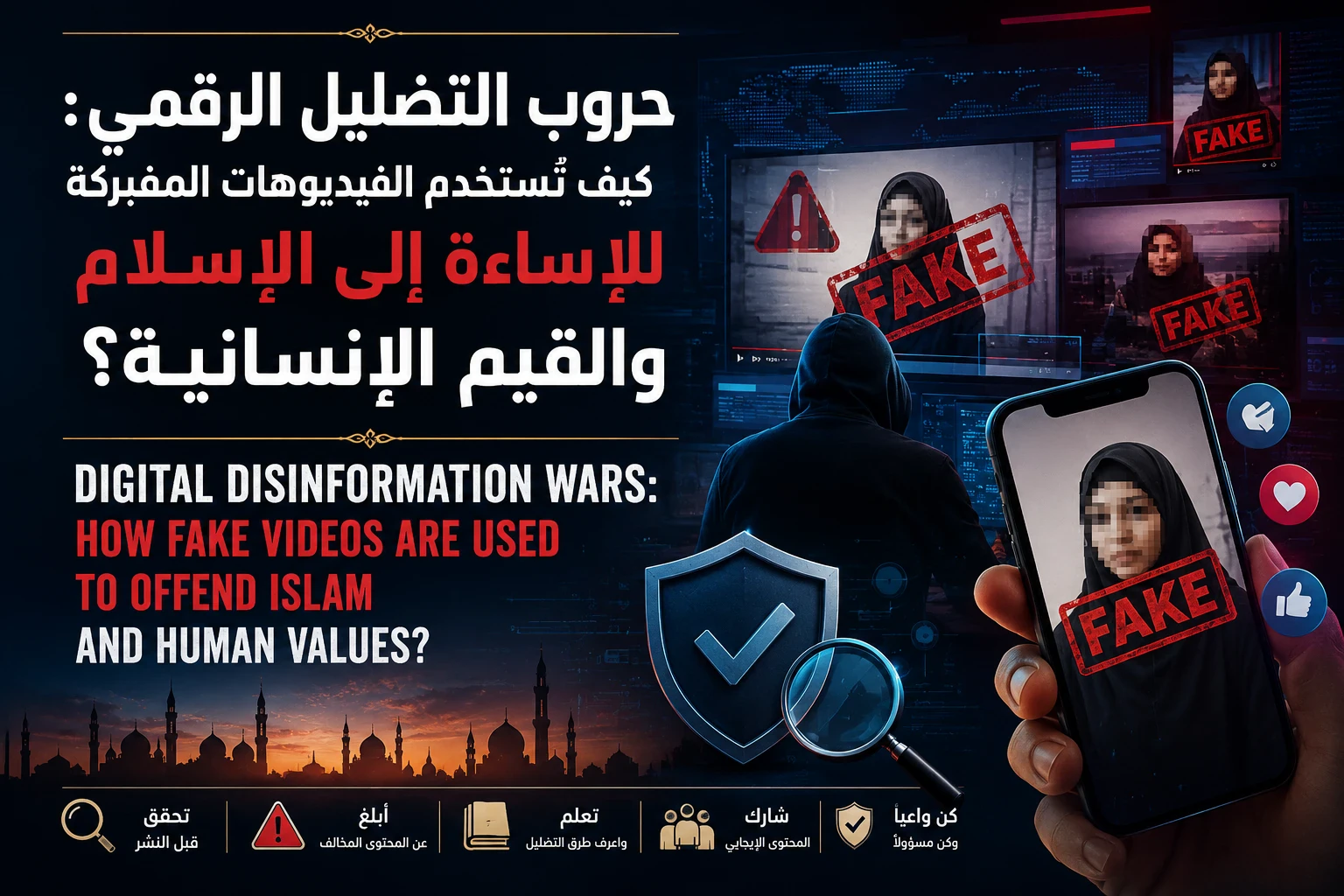
Digital Disinformation Wars: How Fake Videos Are Used to Attack Islam and Human Values
Introduction
The internet has become one of the most powerful tools for sharing information, connecting people, and spreading ideas. However, it has also become a breeding ground for misinformation, fake content, and digital manipulation.
In recent years, advances in artificial intelligence and video-editing technology have made it easier than ever to create realistic fake videos and images. Some of this content is designed to generate clicks and views, while other material aims to spread confusion, fuel social divisions, or create negative perceptions about religions, cultures, and communities.
One growing concern is the use of digitally manipulated content that falsely associates religious symbols or individuals with offensive or unethical behavior. Such content can quickly go viral before viewers have a chance to verify its authenticity.
How Is Fake Content Created?
Modern AI tools can generate highly realistic images, videos, and even voices. Deepfake technology allows creators to alter existing footage or create entirely fabricated scenes that appear authentic to the average viewer.
Because social media platforms reward engagement, sensational content often spreads much faster than factual information. As a result, misleading videos can reach millions of people before they are debunked.
Why Is This a Serious Problem?
The impact of digital misinformation goes far beyond simple misunderstandings. Fake content can:
- Spread false information to large audiences.
- Damage the reputation of individuals and communities.
- Increase social tensions and polarization.
- Exploit religious and cultural identities for attention and profit.
- Undermine trust in legitimate news and reliable sources.
In many cases, the goal is not to inform people but to provoke emotional reactions and maximize engagement.
The Importance of Verification
One of the most effective ways to fight misinformation is by developing a habit of verification. Before sharing any video, image, or story, users should ask:
- Who created this content?
- Is there a credible source behind it?
- Has the information been confirmed by trusted outlets?
- Could the content have been manipulated?
Taking a few minutes to verify information can prevent the spread of harmful misinformation.
How Can We Combat Digital Misinformation?
1. Think Before You Share
Not every viral video is genuine. Always verify the source before reposting or commenting.
2. Report Harmful Content
Most social media platforms provide tools for reporting fake, misleading, or abusive content. Using these tools helps limit its reach.
3. Improve Digital Literacy
Understanding how AI-generated content and deepfakes work makes it easier to identify suspicious material.
4. Support Positive Content
Rather than amplifying harmful content, users should support educational, informative, and constructive material that benefits society.
5. Encourage Accountability
Technology companies, governments, educators, and users all have a role to play in creating a safer digital environment.
Conclusion
The battle against misinformation is one of the defining challenges of the digital age. As technology becomes more advanced, the ability to distinguish truth from manipulation becomes increasingly important.
Protecting human values, promoting respect, and encouraging critical thinking are essential steps in building a healthier online environment. In the end, awareness remains our strongest weapon against digital deception.
Written by: Mohamed Sherif
Amwaly Platform




please login to be able to comment