
في هذا المقال
The Hidden Algorithm: Learning Intelligence from the Earth
Bio-Artificial Intelligence (Bio-AI): Learning from Nature
Learning from Nature” reflects a modern approach to developing intelligent systems inspired by biological processes. It highlights how artificial intelligence can evolve by studying natural systems such as plants, fungi, and living organisms that operate efficiently without centralized control. The phrase “Learning from Nature” emphasizes the idea that nature itself is a powerful model for innovation, offering sustainable and adaptive solutions. This title suggests that instead of creating technology separate from the environment, scientists are now integrating biological principles into AI design. As a result, Bio-AI represents a new direction where technology becomes more efficient, eco-friendly, and closely connected to natural intelligenc
Bio-Artificial Intelligence and Natural Systems
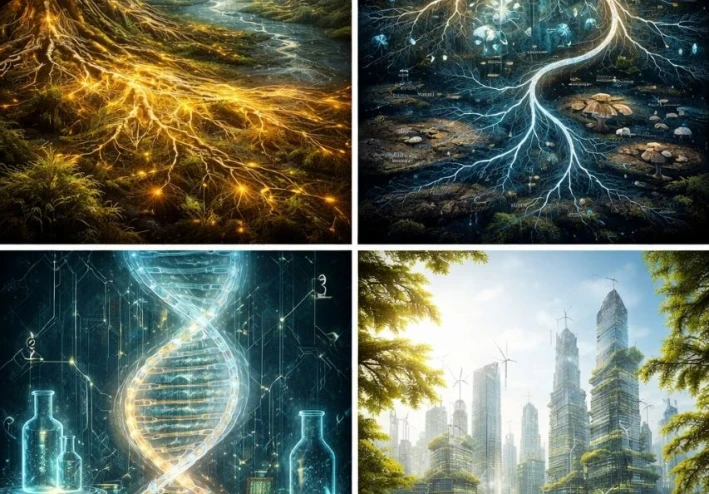
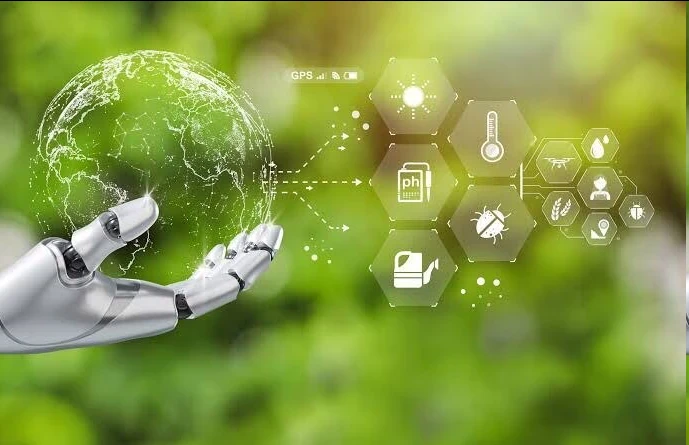
Bio-Artificial Intelligence (Bio-AI) represents a revolutionary direction in modern technology, where artificial intelligence is combined with biological systems to create smarter and more sustainable solutions. Instead of relying only on traditional algorithms, scientists are now studying how natural systems operate efficiently. One of the most fascinating examples is the mycelium network, a system of fungal threads that connects plants underground, allowing them to exchange nutrients and information. This decentralized system works without a central controller, yet it achieves remarkable efficiency. By learning from such systems, researchers are developing intelligent models that can improve communication networks, reduce energy consumption, and enhance overall system performance
Applications of Bio-AI in Modern Technology
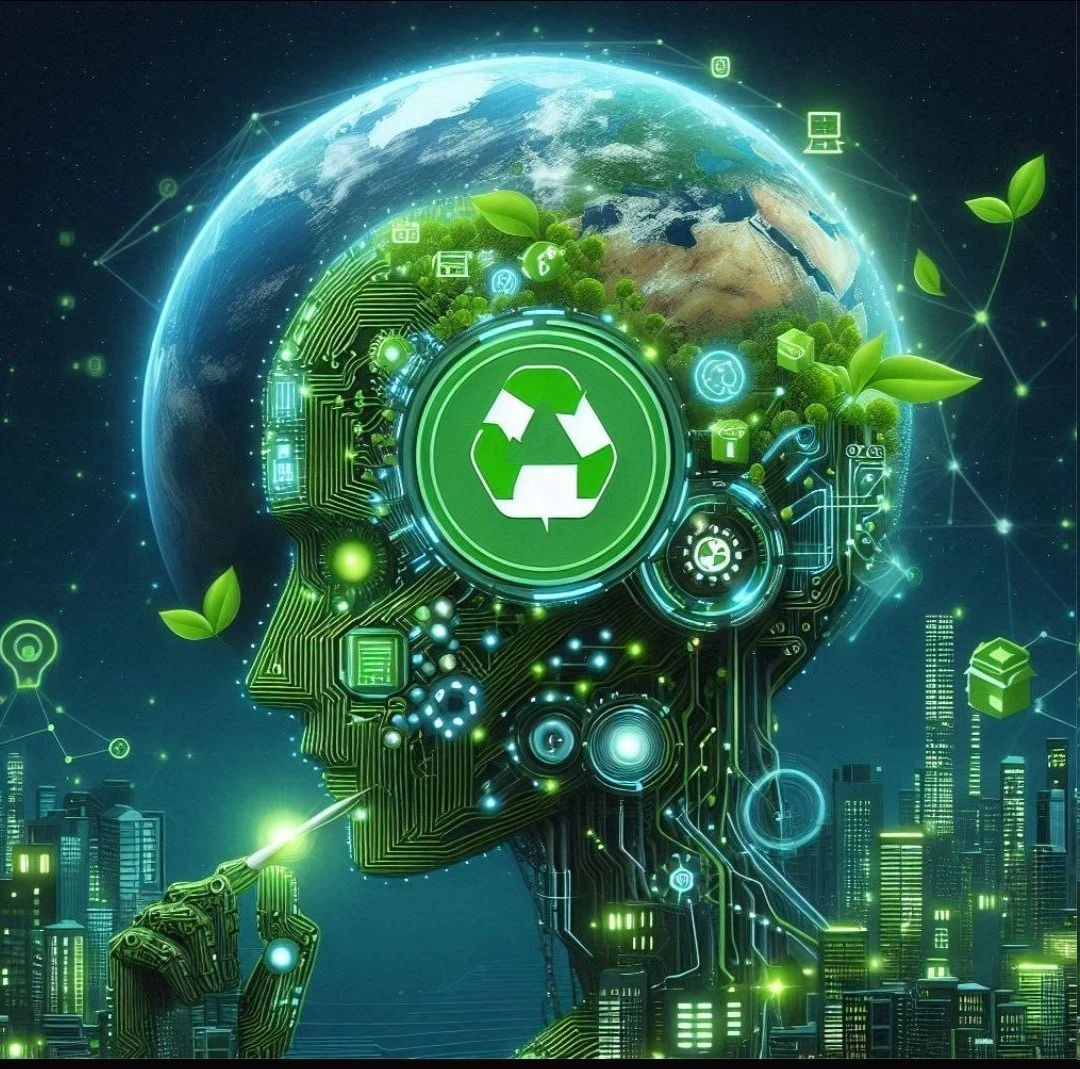
Bio-AI has a wide range of applications that are shaping the future of technology. One of the most important applications is bio-computing, where biological materials such as DNA are used to store and process information. DNA has an extraordinary capacity for data storage, making it far more efficient than traditional storage systems. Additionally, Bio-AI is transforming the field of smart cities by introducing bio-based materials that can adapt to environmental changes. These materials can self-repair, regulate temperature, and reduce energy usage, making buildings more sustainable. Furthermore, systems inspired by natural intelligence can improve transportation and communication networks by making them more flexible and resilient.
: Challenges and Future Perspectives
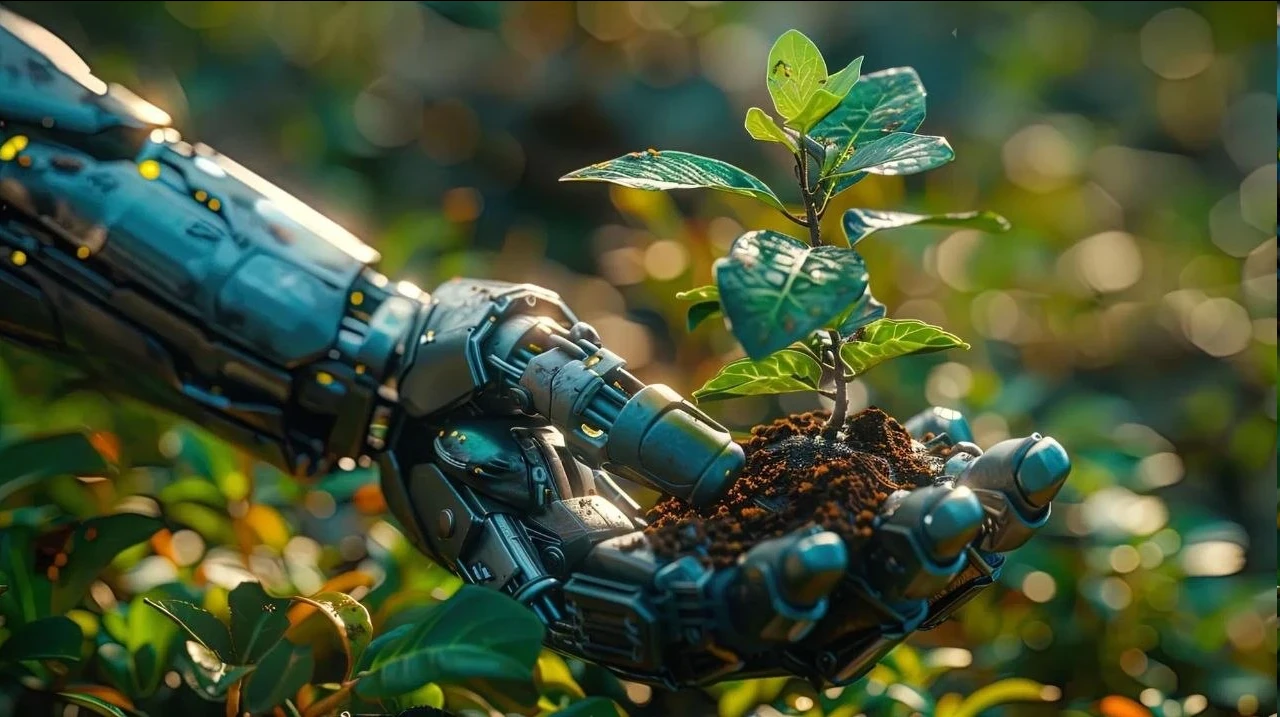
Despite its many advantages, Bio-AI also presents several challenges, particularly in terms of ethics and sustainability. As technology becomes more integrated with living systems, it is essential to ensure that these innovations do not harm the environment. Scientists and researchers must develop clear ethical guidelines to regulate the use of Bio-AI technologies. Looking ahead, Bio-AI has the potential to revolutionize multiple industries, from healthcare to environmental management. By continuing to study and learn from nature, humans can devel
Bio-Artificial Intelligence (Bio-AI) is an emerging field that combines biological systems with artificial intelligence to create efficient and sustainable technologies. By studying natural models such as mycelium networks, scientists can develop decentralized systems that optimize resource distribution and communication. These systems operate without a central control, yet they achieve high levels of efficiency. In addition, Bio-AI explores the use of DNA for data storage and processing, offering a powerful alternative to traditional computing methods. This approach not only enhances performance but also reduces energy consumption, making it environmentally friendly and suitable for future technological
Keywords
Bio-Artificial Intelligence (Bio-AI), Nature-Inspired Computing, Bio-Computing, DNA Storage, Mycelium Network, Sustainable AI, Smart Cities ,
تابع جديد Ahmed Eldawle
اختر إشعارات الموقع أو البريد أو الاثنين. الزائر يقدر يشترك ببريده دون تسجيل حساب.
الإبلاغ عن المقال
لو لاحظت مشكلة في المحتوى، أرسلها لفريق المراجعة. لن تظهر بياناتك لكاتب المقال أو للقراء.
تعذّر إرسال البلاغ الآن. حاول مرة أخرى لاحقًا.
سجّل الدخول لإرسال بلاغ








النقاش
التعليقات (0)
فكرة تضيفها، أو سؤال يفتح حوارًا.
الرجاء تسجيل الدخول لتتمكن من التعليق