
In this article
This article has been classified as ineligible for monetization under the platform’s current standards. Ads are not displayed on it, and it is not included in public article listings or internal search results. However, it remains accessible through its direct link.
Ineligibility does not necessarily mean that the article violates platform policies. It may relate to content standards, traffic quality, or the platform’s monetization requirements.
The increasing prevalence of smartphones has led to a growing reliance on the internet for communication, particularly through voice and video communication channels. The COVID-19 pandemic has further catalyzed a global shift towards remote work, resulting in heightened usage of chat applications, both for professional and social interactions. Consequently, our smartphones have become repositories for numerous applications that automatically gain access to the phone's camera and microphone without requiring explicit consent each time.
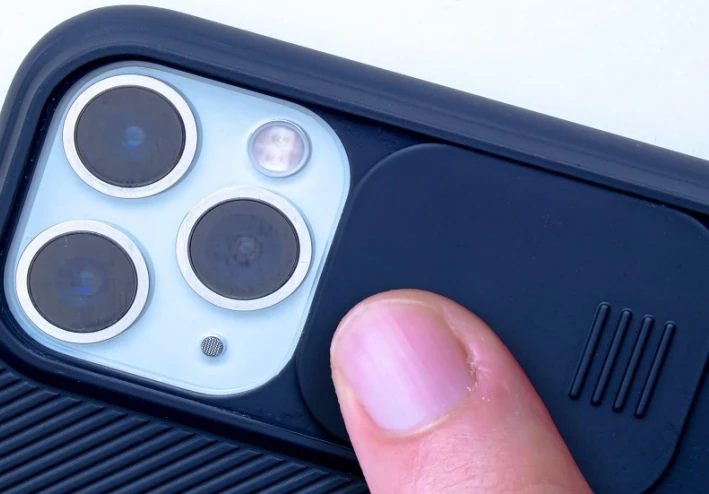
However, such app usage comes with inherent risks. Concerns about privacy always loom when installing applications on smartphones, as they might contain malicious or spyware software that grants unauthorized access to user data and information. This prompts the question: Can smartphone surveillance be detected? Are there methods to shield our phone cameras and microphones from intrusion? These questions will be addressed in the following sections.
Despite doubts often raised by the ads on our phones, which seem to relate to our phone conversations or daily chats, most information security companies dismiss the likelihood of advertisers resorting to smartphone cameras and microphones for espionage. This is primarily due to the difficulty of extracting valuable information from the massive volume of daily conversations. However, the real cause for concern lies in the potential for others to breach our phones with the aim of spying on us and exploiting that information illegally, such as for blackmail or theft.
To counter these threats, smartphone manufacturers have worked to enhance security and privacy for users by introducing visible indicators that appear when the camera or microphone is in use. For instance, iPhones running iOS 14 and newer versions display colored indicators at the top of the screen—orange when the microphone is active and green when both the camera and microphone are in use. Similarly, Android phones running Android 12 and newer versions show camera and microphone icons in the top status bar when an app engages these features. Users can also access the Control Center to identify which application is utilizing the camera or microphone.
Testing the functionality of these visual indicators is possible on both iPhones and Android devices by initiating a voice or video call using apps like Facebook Messenger or WhatsApp and observing the appearance of the mentioned indicators on the screen. These improvements have made surreptitious camera and microphone activation without user knowledge more challenging, contributing to safeguarding user privacy."
Keep up with Adel magdy
Choose site notifications, email, or both. Guests can subscribe by email without an account.
Report this article
Tell our review team about a problem with this content. Your details will not be shown to the author or other readers.
Your report could not be sent. Please try again later.
Sign in to report an article







Discussion
comments (0)
Share a perspective. Start a thoughtful conversation.
please login to be able to comment