

في هذا المقال
Rethinking Remote Work: Practical Frameworks for Digital Autonomy
The transition from physical offices to remote setups promised absolute flexibility, yet corporate analytics demonstrate a structural shift in work habits across knowledge industries. According to Microsoft’s 2021 Work Trend Index, time spent in Microsoft Teams meetings tripled globally, and after-hours messaging increased by 28%. Replacing physical office spaces with digital platforms has extended active working hours, blurring the boundary between execution and personal recovery.
Addressing this imbalance requires replacing vague flexibility with precise, data-backed operational protocols and clear organizational guidelines that protect cognitive energy and long-term output.
Methodology & Scope Note: The statistics and case studies cited represent generalized empirical findings from specific research cohorts across large-scale remote knowledge workers. Organizational dynamics, individual roles, and company cultures vary; these models serve as an educational and operational reference framework rather than a universal standard.
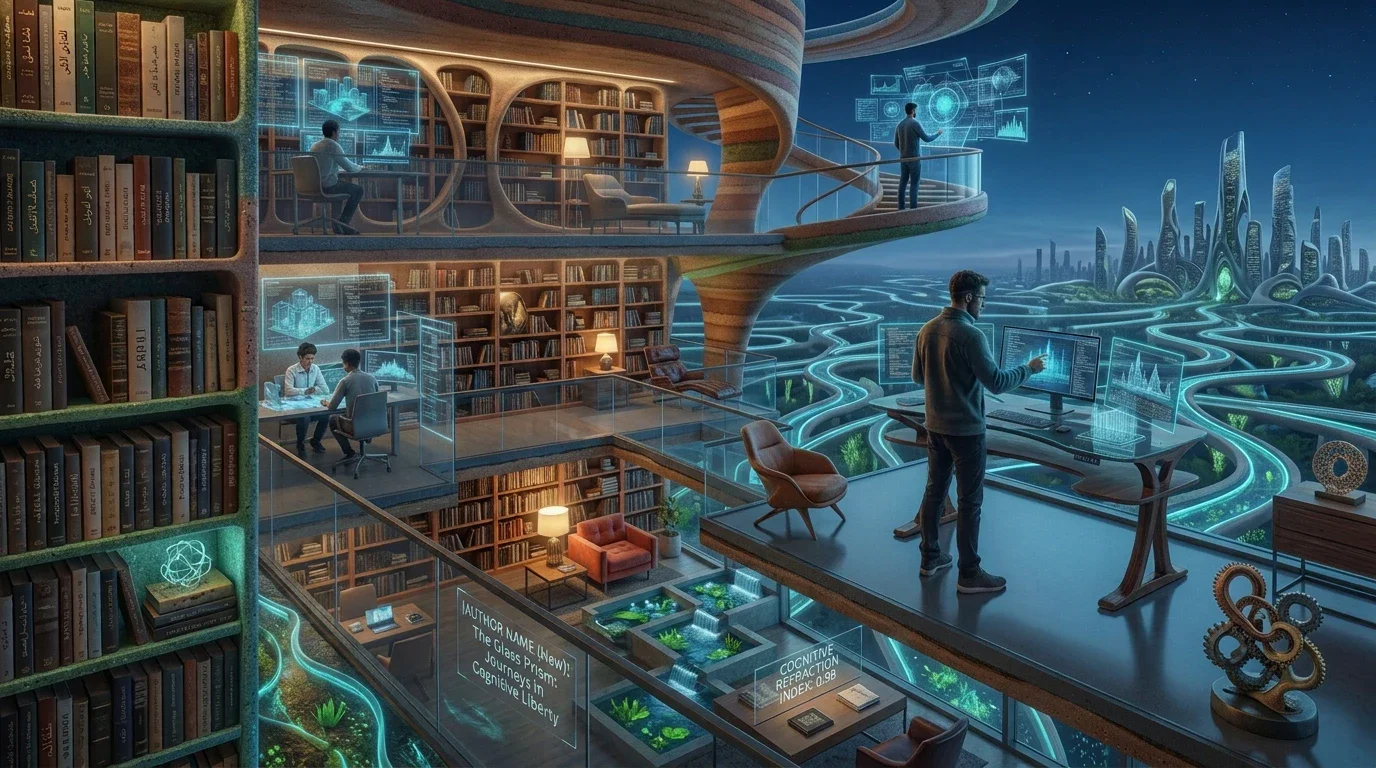
Key Friction Points in Remote Work Environments
Data tracking digital workflows reveals four distinct structural breakdown points observed across remote organizations:
Unregulated Workday Expansion: A 2020 study by Harvard Business School researchers (analyzing data from over 3 million users across 16 global cities) indicated that remote shifts expanded the average workday span by 48.5 minutes, driven primarily by continuous asynchronous communication via Slack, Email, and Outlook.
Context Switching & Attention Fragmentation: Constant notifications trigger continuous task-switching. Research led by UC Irvine on workplace interruptions highlights that it takes an average of 23 minutes and 15 seconds to return to the original task after a single digital distraction, impacting complex problem-solving capabilities.
Activity-Based Hyper-Surveillance: The implementation of keystroke logging and mouse-tracking software (e.g., Hubstaff, Time Doctor) incentivizes continuous manual activity over measurable output, driving cognitive exhaustion and replacing psychological safety with anxiety.
Asynchronous Isolation & Fatigue: Replacing spontaneous, in-person discussions exclusively with text-based chats strips communication of tone and context, leading to mental fatigue, misinterpretation, and detachment from team goals.
Practical Framework: Educational Reference Model
To shift remote operations from continuous availability toward a structured environment, organizations and professionals can reference clear operational strategies:
| Friction Point | Primary Factor | Educational Operational Strategy |
|---|---|---|
| Notification Overload | Unregulated communication channels | Asynchronous Response Windows: Establish explicit response windows (e.g., non-urgent Slack messages do not require immediate replies; auto-mute channels past standard operational hours). |
| Fragmented Focus | Continuous digital interruptions | Time-Blocking Models: Allocate dedicated focus blocks (such as two 90-minute periods daily) using status indicators like "Do Not Disturb" (DND) to minimize meeting overlap. |
| Blurred Space Boundaries | Invasion of personal environment | Physical Separation Rituals: Establish dedicated workspaces at home and enforce a formal hardware shutdown at the close of work to signal the end of the shift. |
| Managerial Pressure | Implicit expectations of instant replies | Explicit Communication Contracts: Align team expectations around deliverables by evaluating output quality rather than speed of response. |
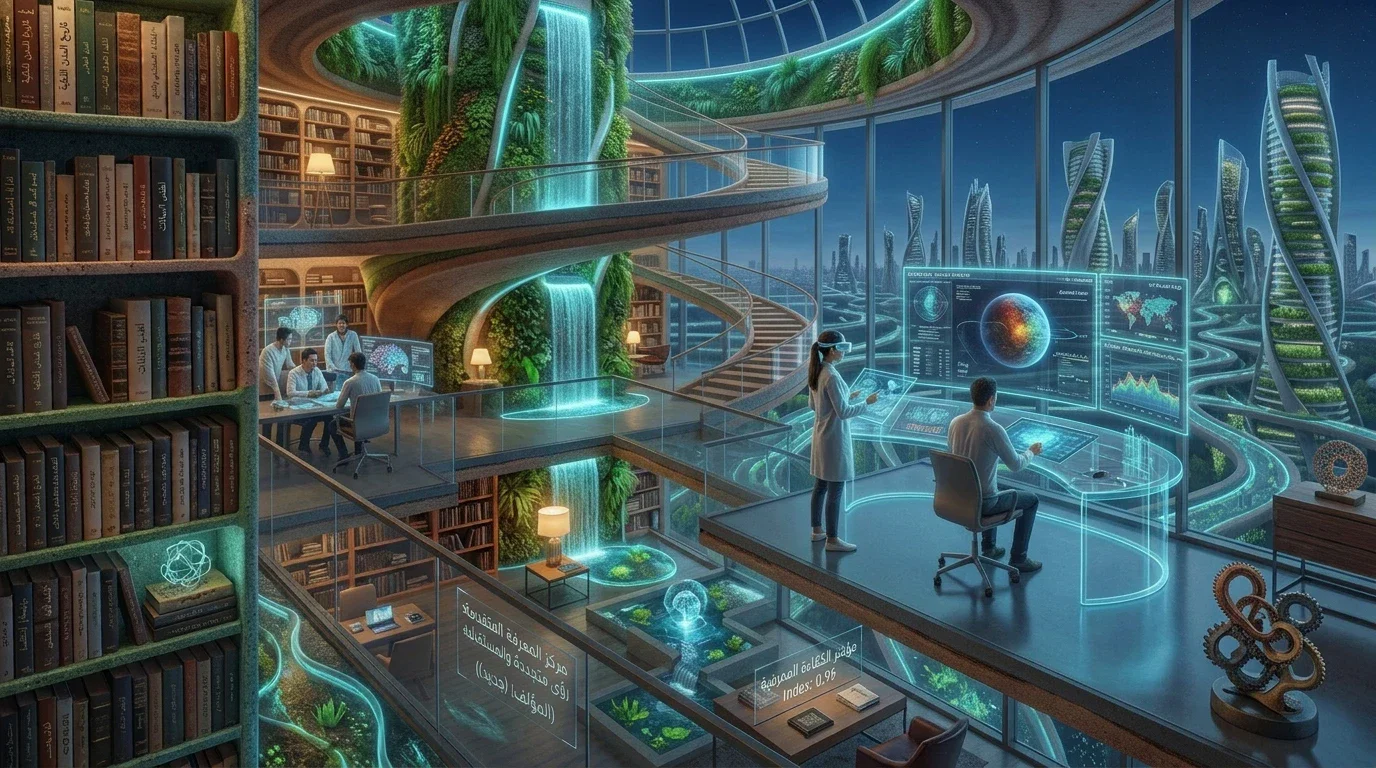
Implementation Strategies for Operational Clarity
Reclaiming control over working hours involves adopting adaptable habits to manage digital platforms effectively:
Batching Communication Processing: Rather than responding to email and chat tools continuously, team members can process messages during designated windows (e.g., morning, mid-day, and end-of-shift).
Focus-Dedicated Days: Implementing optional "No-Meeting" focus windows across teams allows uninterrupted time for high-impact technical, strategic, or creative tasks.
Transparent Status Context: Setting clear, descriptive status updates on communication tools (e.g., "In Deep Work - Returning messages at 2:00 PM") helps manage expectations without creating friction.
Sustainable Autonomy: The Road Ahead
Remote work challenges stem from unmanaged boundaries and implicit expectations of constant availability rather than the physical working arrangement itself. Building a functional remote model requires intentional routines, explicit agreements on asynchronous communication, and a clear separation between execution hours and rest.
True flexibility is not the obligation to work at any hour of the day; it is the discipline to establish transparent operational boundaries that support focus, mental clarity, and long-term professional sustainability.






النقاش
التعليقات (0)
فكرة تضيفها، أو سؤال يفتح حوارًا.
الرجاء تسجيل الدخول لتتمكن من التعليق