


Social Media in the Modern Age: Influence, Responsibility, and Digital Culture
Title: Social Media in the Modern Age: Influence, Responsibility, and Digital Culture
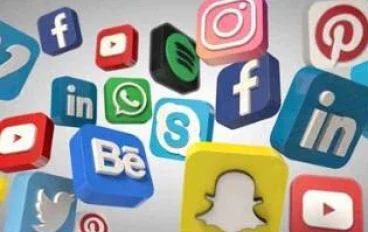
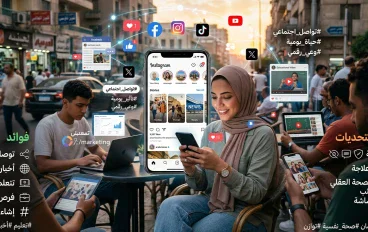
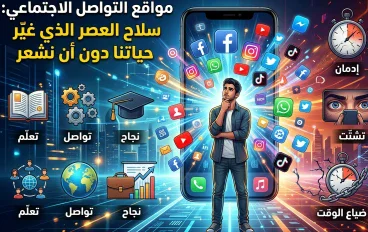
In the modern digital era, social media has become one of the most powerful forces shaping human interaction, communication, and culture. Platforms such as Facebook, Instagram, Twitter, and TikTok are no longer just tools for entertainment; they have evolved into spaces where identities are formed, opinions are shared, and global conversations take place. As a result, understanding the impact of social media is essential for individuals who wish to navigate this complex digital landscape effectively.
Social media has fundamentally transformed the way people communicate. In the past, communication was often limited by distance and time. Today, however, a message can be sent across the world in seconds. This instant connectivity has made it easier for people to stay in touch, share experiences, and build relationships regardless of geographical barriers. At the same time, it has also introduced new challenges, such as the loss of face-to-face interaction and the potential for misunderstandings in digital communication.
One of the most significant aspects of social media is its influence on culture. Trends, ideas, and behaviors can spread rapidly across platforms, shaping the way people think and act. For example, viral challenges, fashion trends, and even social movements often originate on social media and quickly gain global attention. This demonstrates the immense power these platforms hold in shaping modern culture.
However, with great power comes great responsibility. Social media users must be aware of the content they share and consume. Misinformation, rumors, and fake news can spread just as quickly as accurate information, if not faster. This can lead to confusion, fear, and even harmful consequences in society. Therefore, one of the most important tips for using social media is to verify information before sharing it and to rely on credible sources whenever possible.
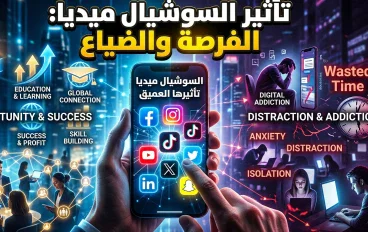
Another important aspect to consider is the impact of social media on mental health. While these platforms can provide entertainment and connection, they can also create pressure and anxiety. Constant exposure to carefully curated images and lifestyles may lead individuals to compare themselves to others, resulting in feelings of inadequacy or low self-esteem. It is important to remember that what is seen on social media often represents only a small, edited portion of reality.
To maintain a healthy relationship with social media, individuals should practice moderation. Spending excessive amounts of time online can negatively affect productivity, sleep, and overall well-being. Setting limits on screen time and taking regular breaks can help maintain balance and improve mental health. Additionally, engaging in offline activities such as reading, sports, or spending time with family and friends can provide a healthier lifestyle.
Privacy is another critical issue in the digital age. Many users share personal information without fully understanding the risks involved. Protecting one’s privacy requires awareness and caution. Users should be mindful of the information they post, adjust their privacy settings, and avoid sharing sensitive details publicly. This helps prevent potential misuse of personal data and ensures a safer online experience.
Furthermore, social media has opened new opportunities for education and career development. Many individuals use these platforms to learn new skills, share knowledge, and even build personal brands. Influencers, content creators, and digital marketers have turned social media into a source of income and professional growth. This highlights the positive potential of these platforms when used wisely and strategically.
In addition, social media plays a significant role in raising awareness about important issues. Topics such as climate change, social justice, and global crises are often discussed widely on these platforms. This allows people to stay informed and participate in meaningful conversations. In many cases, social media has been a tool for organizing movements and bringing attention to causes that might otherwise be ignored.
Despite its many advantages, social media also has its drawbacks. Cyberbullying, online harassment, and negative comments are serious problems that affect many users, especially young people. It is essential to promote kindness and respect in online interactions. Reporting harmful behavior and supporting those who are affected can help create a safer digital environment.
Another key tip is to develop critical thinking skills. Not everything seen online is true or accurate. Users should question the reliability of sources, analyze information carefully, and avoid blindly following trends or opinions. Critical thinking enables individuals to make informed decisions and avoid being influenced by misleading content.
Moreover, social media algorithms play a hidden yet powerful role in shaping what users see. These algorithms are designed to show content that aligns with users’ interests, which can sometimes create “echo chambers” where individuals are exposed only to similar viewpoints. This can limit perspective and reduce exposure to diverse opinions. Being aware of this effect encourages users to seek out different perspectives and broaden their understanding.
In professional contexts, social media presence has become increasingly important. Employers often review candidates’ online profiles as part of the hiring process. Maintaining a positive and respectful digital presence can enhance opportunities and create a strong personal image. On the other hand, inappropriate content can have negative consequences on one’s reputation and future prospects.
Ultimately, social media is a tool, and like any tool, its impact depends on how it is used. It can connect people, spread knowledge, and create opportunities, but it can also lead to harm if used irresponsibly. The key lies in finding a balance and using these platforms in a mindful and purposeful way.
In conclusion, social media has become an integral part of modern life, influencing communication, culture, and personal development. By understanding its benefits and challenges, and by following essential tips such as verifying information, protecting privacy, and practicing moderation, individuals can make the most of social media while minimizing its risks. In a world that is increasingly digital, responsible use of social media is not just a choice, but a necessity.
In the modern digital era, social media has become one of the most powerful forces shaping human interaction, communication, and culture. Platforms such as Facebook, Instagram, Twitter, and TikTok are no longer just tools for entertainment; they have evolved into spaces where identities are formed, opinions are shared, and global conversations take place. As a result, understanding the impact of social media is essential for individuals who wish to navigate this complex digital landscape effectively.
Social media has fundamentally transformed the way people communicate. In the past, communication was often limited by distance and time. Today, however, a message can be sent across the world in seconds. This instant connectivity has made it easier for people to stay in touch, share experiences, and build relationships regardless of geographical barriers. At the same time, it has also introduced new challenges, such as the loss of face-to-face interaction and the potential for misunderstandings in digital communication.
One of the most significant aspects of social media is its influence on culture. Trends, ideas, and behaviors can spread rapidly across platforms, shaping the way people think and act. For example, viral challenges, fashion trends, and even social movements often originate on social media and quickly gain global attention. This demonstrates the immense power these platforms hold in shaping modern culture.
However, with great power comes great responsibility. Social media users must be aware of the content they share and consume. Misinformation, rumors, and fake news can spread just as quickly as accurate information, if not faster. This can lead to confusion, fear, and even harmful consequences in society. Therefore, one of the most important tips for using social media is to verify information before sharing it and to rely on credible sources whenever possible.
Another important aspect to consider is the impact of social media on mental health. While these platforms can provide entertainment and connection, they can also create pressure and anxiety. Constant exposure to carefully curated images and lifestyles may lead individuals to compare themselves to others, resulting in feelings of inadequacy or low self-esteem. It is important to remember that what is seen on social media often represents only a small, edited portion of reality.
To maintain a healthy relationship with social media, individuals should practice moderation. Spending excessive amounts of time online can negatively affect productivity, sleep, and overall well-being. Setting limits on screen time and taking regular breaks can help maintain balance and improve mental health. Additionally, engaging in offline activities such as reading, sports, or spending time with family and friends can provide a healthier lifestyle.
Privacy is another critical issue in the digital age. Many users share personal information without fully understanding the risks involved. Protecting one’s privacy requires awareness and caution. Users should be mindful of the information they post, adjust their privacy settings, and avoid sharing sensitive details publicly. This helps prevent potential misuse of personal data and ensures a safer online experience.
Furthermore, social media has opened new opportunities for education and career development. Many individuals use these platforms to learn new skills, share knowledge, and even build personal brands. Influencers, content creators, and digital marketers have turned social media into a source of income and professional growth. This highlights the positive potential of these platforms when used wisely and strategically.
In addition, social media plays a significant role in raising awareness about important issues. Topics such as climate change, social justice, and global crises are often discussed widely on these platforms. This allows people to stay informed and participate in meaningful conversations. In many cases, social media has been a tool for organizing movements and bringing attention to causes that might otherwise be ignored.
Despite its many advantages, social media also has its drawbacks. Cyberbullying, online harassment, and negative comments are serious problems that affect many users, especially young people. It is essential to promote kindness and respect in online interactions. Reporting harmful behavior and supporting those who are affected can help create a safer digital environment.
Another key tip is to develop critical thinking skills. Not everything seen online is true or accurate. Users should question the reliability of sources, analyze information carefully, and avoid blindly following trends or opinions. Critical thinking enables individuals to make informed decisions and avoid being influenced by misleading content.
Moreover, social media algorithms play a hidden yet powerful role in shaping what users see. These algorithms are designed to show content that aligns with users’ interests, which can sometimes create “echo chambers” where individuals are exposed only to similar viewpoints. This can limit perspective and reduce exposure to diverse opinions. Being aware of this effect encourages users to seek out different perspectives and broaden their understanding.
In professional contexts, social media presence has become increasingly important. Employers often review candidates’ online profiles as part of the hiring process. Maintaining a positive and respectful digital presence can enhance opportunities and create a strong personal image. On the other hand, inappropriate content can have negative consequences on one’s reputation and future prospects.
Ultimately, social media is a tool, and like any tool, its impact depends on how it is used. It can connect people, spread knowledge, and create opportunities, but it can also lead to harm if used irresponsibly. The key lies in finding a balance and using these platforms in a mindful and purposeful way.
In conclusion, social media has become an integral part of modern life, influencing communication, culture, and personal development. By understanding its benefits and challenges, and by following essential tips such as verifying information, protecting privacy, and practicing moderation, individuals can make the most of social media while minimizing its risks. In a world that is increasingly digital, responsible use of social media is not just a choice, but a necessity.




الرجاء تسجيل الدخول لتتمكن من التعليق