
في هذا المقال
التكنولوجيا والروبوتات: كيف يتغير عالمنا؟
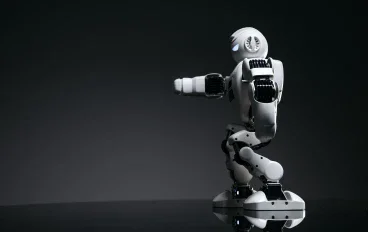
لم تعد التكنولوجيا مجرد أجهزة نستخدمها في حياتنا اليومية، بل أصبحت قوة أساسية تغيّر طريقة عملنا وتعلّمنا وتواصلنا وحتى طريقة علاج الأمراض واستكشاف الفضاء. ومع تطور الذكاء الاصطناعي، أصبحت الروبوتات أكثر قدرة على رؤية البيئة من حولها، وتحليل المعلومات واتخاذ بعض القرارات دون تدخل بشري مباشر.
الروبوتات بالأرقام
توضح بيانات الاتحاد الدولي للروبوتات (IFR) أن العالم شهد تركيب 542,076 روبوتًا صناعيًا جديدًا خلال عام 2024، وهو أكثر من ضعف العدد الذي كان يُركب قبل عشر سنوات. كما وصل عدد الروبوتات الصناعية العاملة حول العالم إلى نحو 4.66 مليون روبوت في عام 2024. وكانت آسيا مسؤولة عن حوالي 74% من عمليات التركيب الجديدة.
وتتصدر الصين هذا المجال؛ فقد تم تركيب نحو 295 ألف روبوت صناعي فيها خلال 2024، أي حوالي 54% من إجمالي التركيبات العالمية لذلك العام.
أين نستخدم الروبوتات؟
تدخل الروبوتات في مجالات كثيرة، وأبرزها المصانع، حيث يمكنها تنفيذ المهام المتكررة مثل اللحام، وتجميع السيارات، ونقل المنتجات، والعمل في أماكن قد تكون خطرة على الإنسان.
كما تُستخدم في الطب للمساعدة في بعض العمليات والإجراءات الدقيقة، وفي المستودعات لنقل وفرز المنتجات، وفي المنازل لأعمال مثل التنظيف.
وهناك أيضًا روبوتات مخصصة للبحث والاستكشاف. ومن أشهر الأمثلة مركبة Perseverance التابعة لناسا، التي هبطت على المريخ في فبراير 2021، وتبحث عن علامات تدل على وجود حياة ميكروبية قديمة، كما تجمع عينات من الصخور والتربة لدراستها.
وفي تطور مثير، أعلنت ناسا في يناير 2026 أن مركبة Perseverance نفذت رحلات على سطح المريخ تم التخطيط لمساراتها باستخدام الذكاء الاصطناعي، بدلًا من الاعتماد الكامل على مخططي المسارات البشريين.
كيف ستؤثر التكنولوجيا علينا مستقبلًا؟
من المتوقع أن تصبح التكنولوجيا أكثر حضورًا في الحياة اليومية. فالذكاء الاصطناعي يستطيع تحليل كميات ضخمة من المعلومات بسرعة، بينما تستطيع الروبوتات تحويل هذه المعلومات إلى أفعال في العالم الحقيقي.
لكن هذا التطور لا يعني أن الروبوتات ستستبدل الإنسان بالكامل. فالإنسان ما زال ضروريًا في الإبداع، والتفكير النقدي، واتخاذ القرارات المهمة، وفهم المشاعر والمسؤولية الأخلاقية.
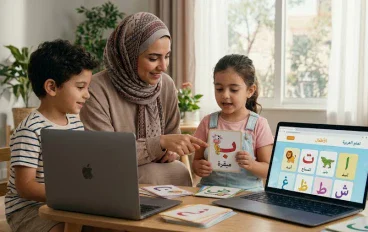
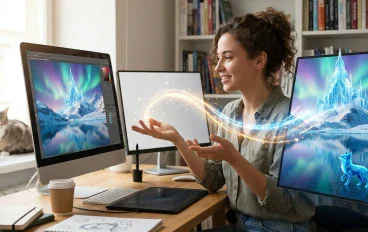
لذلك سيكون التحدي الحقيقي في المستقبل هو كيف نستخدم التكنولوجيا بدلًا من الخوف منها. فالشخص الذي يتعلم استخدام أدوات الذكاء الاصطناعي والبرامج الحديثة قد يمتلك فرصًا أكبر في الدراسة والعمل، بينما ستحتاج بعض الوظائف التقليدية إلى مهارات جديدة.
ماذا يمكننا أن نفعل من الآن؟
يمكن الاستعداد لهذا المستقبل من خلال خطوات بسيطة:
1. تعلم أساسيات استخدام أدوات الذكاء الاصطناعي.
2. تطوير مهارات الكمبيوتر والبرامج الرقمية.
3. تعلم كيفية التحقق من المعلومات بدلًا من تصديق كل ما تنتجه التكنولوجيا.
4. التركيز على مهارات يصعب استبدالها مثل التواصل والإبداع وحل المشكلات.
5. متابعة تطور الروبوتات والتكنولوجيا لمعرفة المهارات المطلوبة في سوق العمل.
الخلاصة
التكنولوجيا والروبوتات ليستا مجرد فكرة من أفلام الخيال العلمي؛ فالأرقام والتطبيقات الحالية تؤكد أنهما أصبحتا جزءًا حقيقيًا من عالمنا. ومع استمرار التطور، لن يكون السؤال فقط: هل ستغير التكنولوجيا حياتنا؟ بل سيكون السؤال الأهم: كيف سنستخدمها لصنع حياة أفضل؟Technology and Robots: How Are They Changing Our World?
Technology is no longer just a collection of devices we use in our daily lives. It has become a powerful force that is changing the way we work, learn, communicate, treat diseases, and even explore space. With the development of artificial intelligence, robots have become more capable of seeing and understanding their surroundings, analyzing information, and making some decisions without direct human intervention.
Robots in Numbers
According to data from the International Federation of Robotics (IFR), around 542,076 new industrial robots were installed worldwide in 2024, which is more than twice the number installed ten years earlier. The total number of industrial robots operating worldwide reached approximately 4.66 million in 2024. Asia accounted for about 74% of new robot installations that year.
China is leading this field. Around 295,000 industrial robots were installed in China in 2024, representing approximately 54% of all new installations worldwide that year.
Where Are Robots Used?
Robots are used in many different fields, especially in factories, where they can perform repetitive tasks such as welding, assembling cars, and moving products. They can also work in environments that may be dangerous for humans.
Robots are also used in medicine to assist with certain procedures that require high precision. In warehouses, they can move and sort products, while at home, robots can perform tasks such as cleaning.
Robots are also being used for research and exploration. One of the most famous examples is NASA's Perseverance rover, which landed on Mars in February 2021. Its mission includes searching for signs of ancient microbial life and collecting rock and soil samples for scientific study.
In an exciting development, NASA announced in January 2026 that Perseverance had completed drives on Mars using routes planned with the help of artificial intelligence, reducing the need for human mission planners to determine every route manually.
How Will Technology Affect Us in the Future?
Technology is expected to become even more present in our daily lives. Artificial intelligence can analyze huge amounts of information quickly, while robots can turn this information into actions in the physical world.
However, this does not mean that robots will completely replace humans. People will still be essential for creativity, critical thinking, important decision-making, emotional understanding, and ethical responsibility.
The real challenge in the future will be how we use technology instead of being afraid of it. People who learn how to use artificial intelligence tools and modern software may have more opportunities in education and employment, while some traditional jobs may require new skills.
What Can We Do Now?
We can prepare for this future through a few simple steps:
1. Learn the basics of using artificial intelligence tools.
2. Improve computer and digital skills.
3. Learn how to verify information instead of believing everything produced by technology.
4. Focus on skills that are difficult to replace, such as communication, creativity, and problem-solving.
5. Follow developments in robotics and technology to understand which skills will be needed in the future job market.
Conclusion
Technology and robots are no longer just ideas from science-fiction movies. Current statistics and real-world applications show that they have already become an important part of our world. As technology continues to develop, the most important question will not simply be: “Will technology change our lives?” but rather: “How will we use it to create a better future?”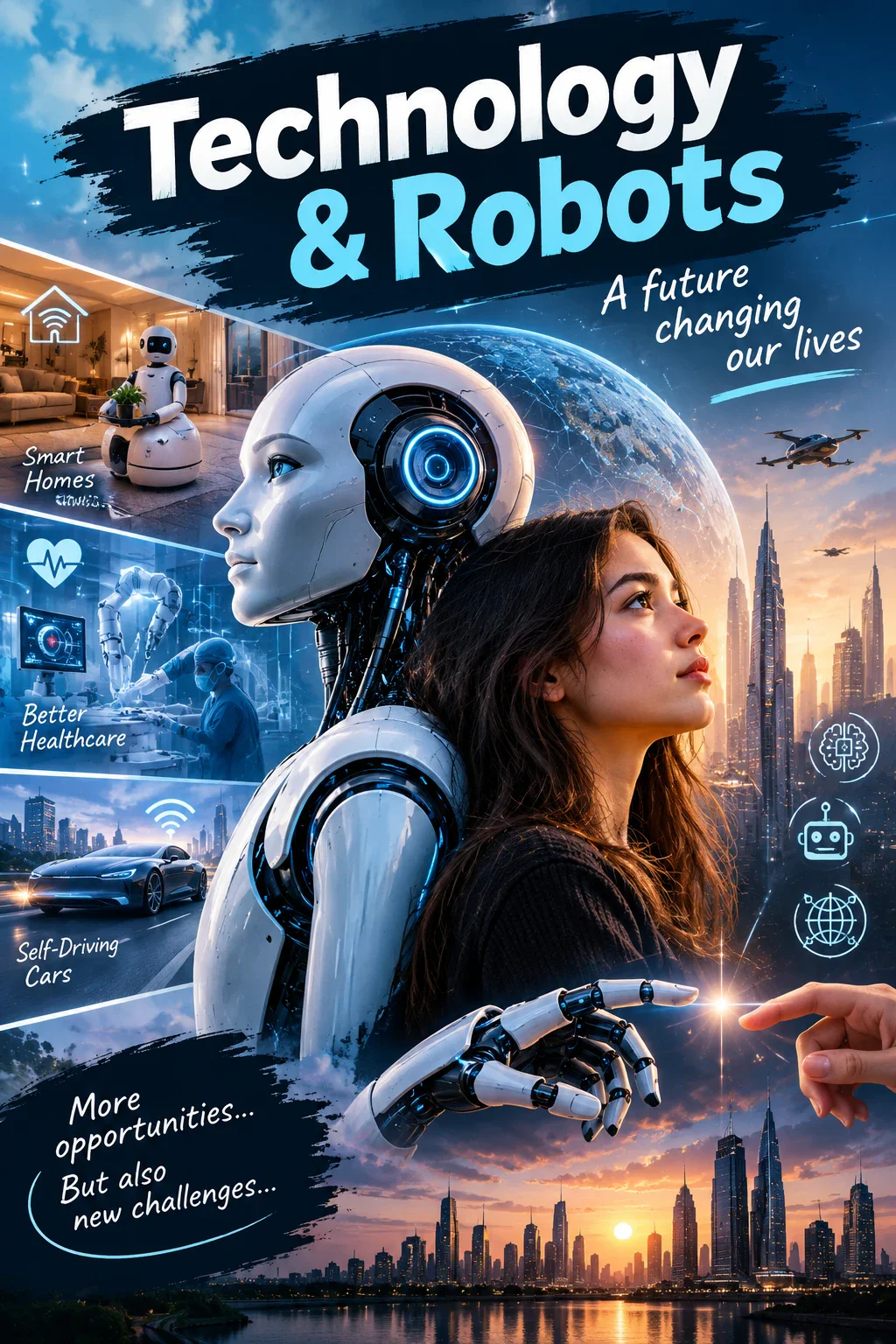
تابع جديد nada farahat
اختر إشعارات الموقع أو البريد أو الاثنين. الزائر يقدر يشترك ببريده دون تسجيل حساب.
الإبلاغ عن المقال
لو لاحظت مشكلة في المحتوى، أرسلها لفريق المراجعة. لن تظهر بياناتك لكاتب المقال أو للقراء.
تعذّر إرسال البلاغ الآن. حاول مرة أخرى لاحقًا.
سجّل الدخول لإرسال بلاغ





النقاش
التعليقات (0)
فكرة تضيفها، أو سؤال يفتح حوارًا.
الرجاء تسجيل الدخول لتتمكن من التعليق