


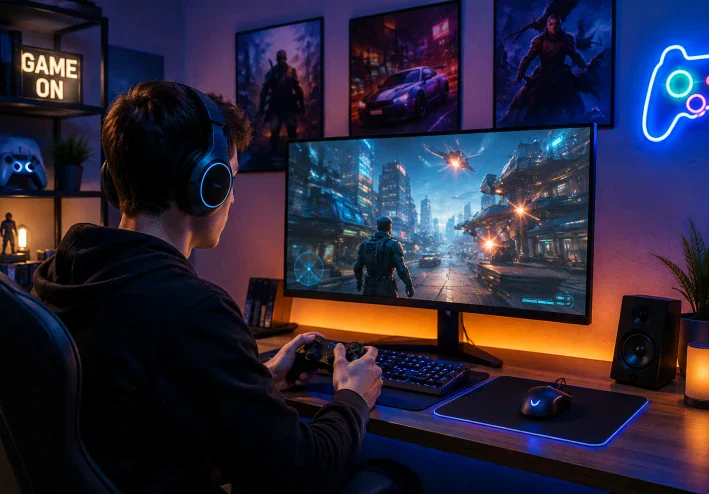
Electronic Games: Entertainment, Benefits, and the Risks of Excessive Gaming
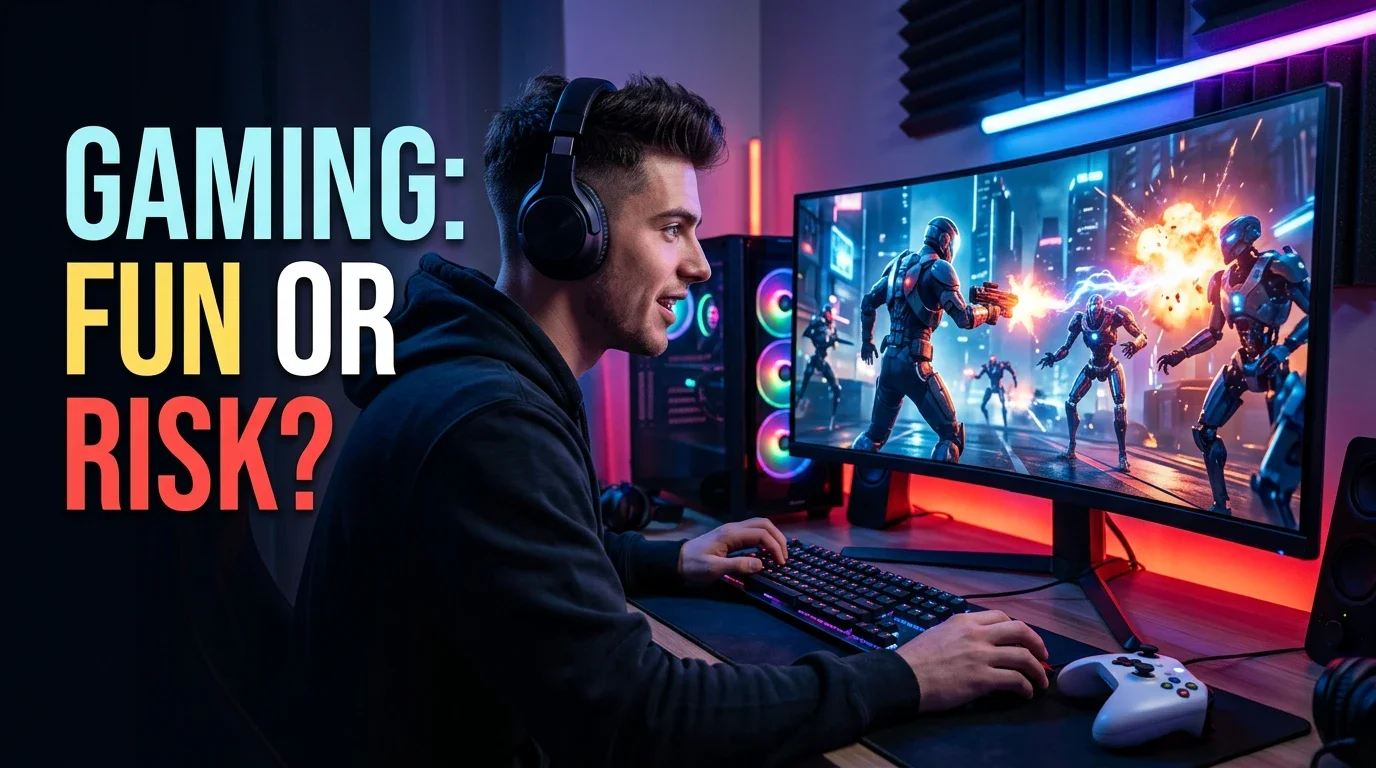 Electronic Games: Entertainment, Benefits, and the Risks of Excessive Gaming Eectronic games have become a major part of modern life. Whether played on a smartphone, computer, or gaming console, they attract people of different ages and backgrounds. For many players, gaming is simply a way to relax after a long day. For others, it is a social activity, a competitive hobby, or even a professional career. Like many forms of entertainment, electronic games can have both positive and negative effects depending on how they are used.
One of the interesting things about video games is that they can require players to think, plan, react quickly, and solve problems. Strategy games may encourage planning, while puzzle games can challenge players to find creative solutions. Multiplayer games can also involve communication and teamwork, especially when players need to cooperate to reach a shared goal. The World Health Organization has also discussed the potential of video games to support health education, social connection, and some health-related activities.
However, gaming can become unhealthy when it starts taking control of a person's daily life. Spending long periods sitting and playing may reduce time available for physical activity, sleep, studying, work, or family relationships. The WHO has noted that excessive gaming can be associated with problems such as insufficient physical activity, sleep deprivation, and difficulties in social or psychological functioning.
This does not mean that everyone who plays video games has a problem. In fact, the WHO states that gaming disorder affects only a small proportion of people who play digital or video games. Gaming disorder is characterized by impaired control over gaming, giving gaming greater priority than other important activities, and continuing to play despite negative consequences. For the condition to be diagnosed, the behavior must cause significant problems in important areas of life and normally continue for at least 12 months.
For this reason, balance is one of the most important parts of healthy gaming. Players can enjoy their favorite games while also making time for sleep, exercise, education, work, family, and real-life relationships. Parents can also pay attention to whether gaming is affecting a child's responsibilities, sleep, physical activity, or social life instead of focusing only on the number of hours played.
In the end, electronic games are neither completely good nor completely bad. Their impact depends on the type of game, the individual player, and how gaming fits into everyday life. When enjoyed responsibly, games can be an enjoyable way to relax, communicate, compete, and develop certain skills. The real problem begins when entertainment replaces the activities and responsibilities that matter in everyday life.
Note: This article is for general educational purposes only. It does not provide a medical diagnosis or personalized treatment advice. Anyone experiencing significant difficulties related to gaming should consider speaking with a qualified healthcare professional.





please login to be able to comment