
في هذا المقال
Electronic Games: Entertainment, Benefits, and the Risks of Excessive Gaming
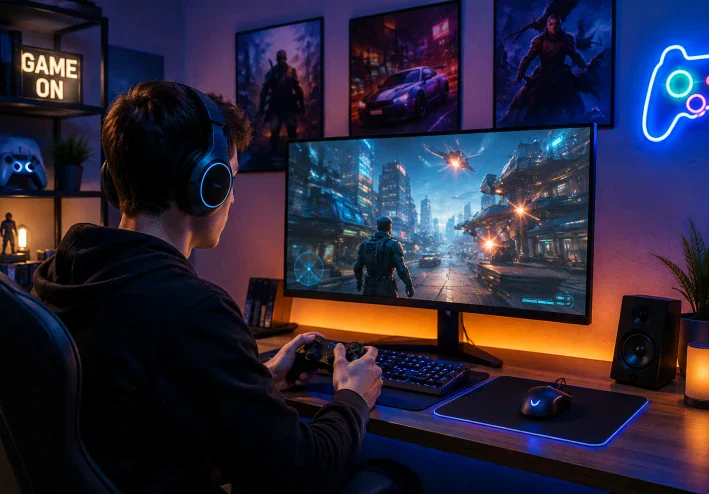
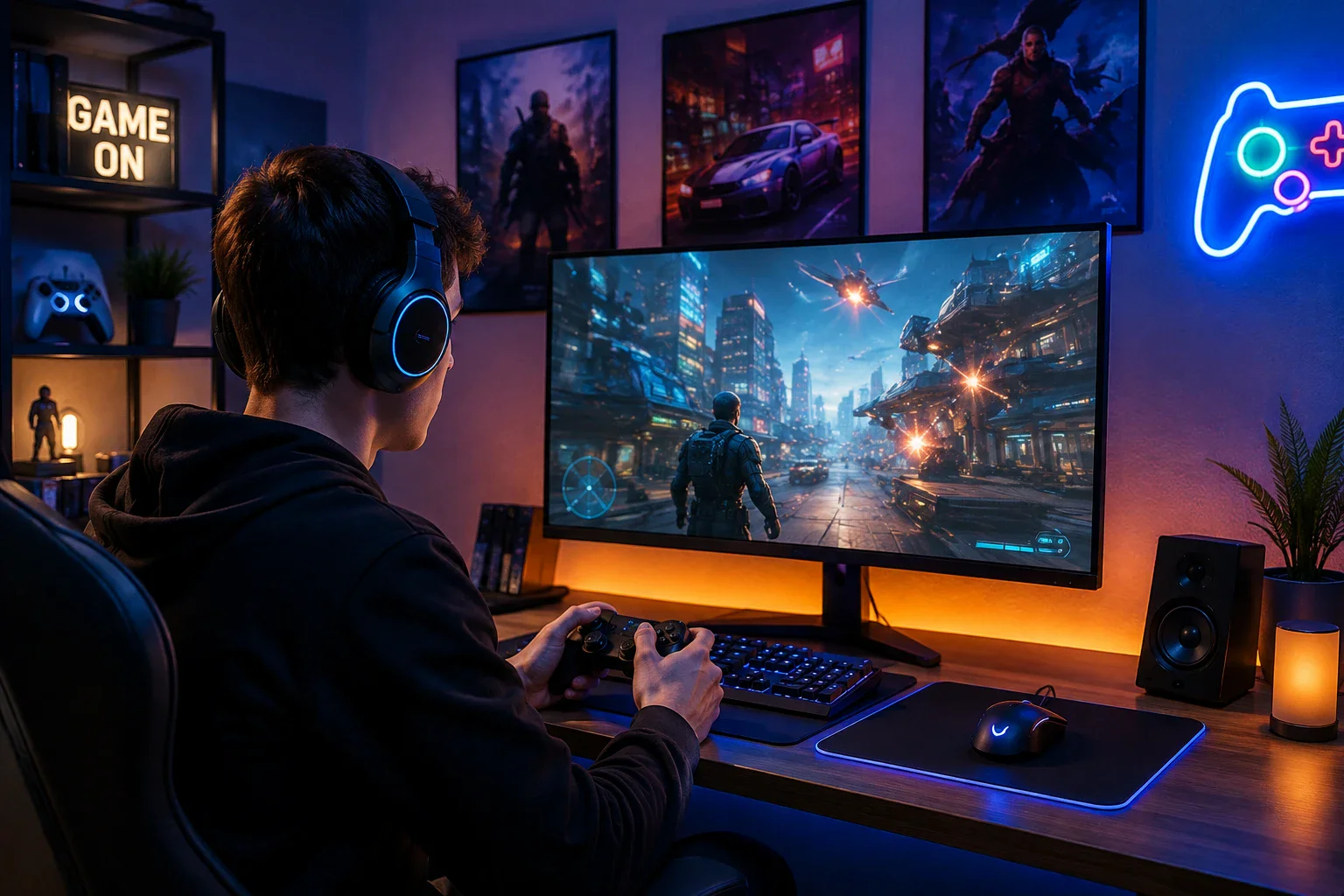
One potential benefit of electronic games is cognitive stimulation. Strategy, puzzle, and problem-solving games can encourage players to analyze situations, remember information, make decisions, and adapt to changing challenges. Some multiplayer games can also encourage communication and teamwork because players need to coordinate their actions and share information to achieve a common goal. Research reviewed by the American Academy of Pediatrics indicates that video games can have both positive and negative effects, depending on factors such as the type of game, the player, and the amount of time spent playing.
Gaming can become a concern when it takes priority over important parts of life. The World Health Organization describes gaming disorder as a pattern involving impaired control over gaming, increasing priority given to gaming, and continuing to play despite negative consequences. The organization also notes that gaming disorder affects only a small proportion of people who play games. Therefore, playing frequently does not automatically mean that someone has a disorder. The important issue is whether gaming causes significant problems in everyday functioning.
Excessive gaming may also affect physical well-being. Spending long periods sitting can reduce physical activity, while late-night gaming may contribute to insufficient sleep. Players may also experience tired eyes, discomfort, or poor posture after extended sessions. Taking regular breaks, changing position, staying physically active, and maintaining a consistent sleep schedule can help create healthier gaming habits. The World Health Organization highlights several possible health risks associated with excessive gaming, including insufficient physical activity and sleep problems.
For children and teenagers, balance is especially important. Parents can pay attention to when and where games are played, encourage physical activity and sleep, and discuss online safety and appropriate content. The American Academy of Pediatrics recommends considering the individual child and family rather than following one universal screen-time rule.
Electronic games are not automatically good or bad. Their impact depends on the content, the player, and how gaming fits into everyday life. When gaming remains a balanced hobby, it can provide entertainment, challenge, creativity, and social connection. When it begins replacing sleep, study, work, exercise, or relationships, it may be time to reconsider gaming habits. The goal is not necessarily to stop playing, but to make sure games remain one part of a healthy and balanced lifestyle.
This article provides general educational information and is not a medical diagnosis or personalized treatment recommendation. thank you
تابع جديد يوسف حازم
اختر إشعارات الموقع أو البريد أو الاثنين. الزائر يقدر يشترك ببريده دون تسجيل حساب.
الإبلاغ عن المقال
لو لاحظت مشكلة في المحتوى، أرسلها لفريق المراجعة. لن تظهر بياناتك لكاتب المقال أو للقراء.
تعذّر إرسال البلاغ الآن. حاول مرة أخرى لاحقًا.
سجّل الدخول لإرسال بلاغ




النقاش
التعليقات (0)
فكرة تضيفها، أو سؤال يفتح حوارًا.
الرجاء تسجيل الدخول لتتمكن من التعليق