

في هذا المقال
Introduction
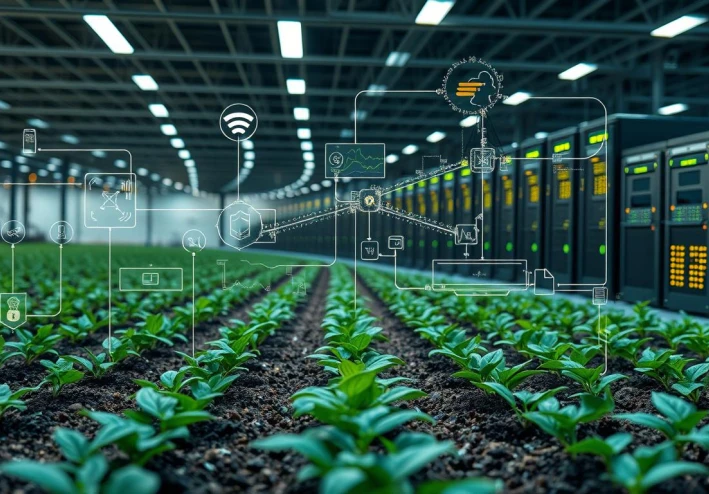
Agriculture today is undergoing one of the most profound transformations in its long history. Having relied for centuries on inherited expertise and intensive manual labor, fields have now become a testing ground for the latest advances in artificial intelligence, the Internet of Things, robotics, and drones. Modern agricultural technology is no longer a technical luxury; it has become an urgent necessity driven by climate change, water scarcity, and rising production costs, alongside a rapidly growing global population that will require food production to roughly double in the coming decades.
Within this context, agricultural automation and smart farming have emerged as practical solutions that help farmers make more accurate decisions, reduce resource waste, and increase productivity without expanding cultivated land. This article explores the leading modern technologies and automation systems transforming agriculture, their meaning, their importance, and their real-world applications around the globe, alongside the challenges facing their adoption and a forward-looking view of this vital sector's future.
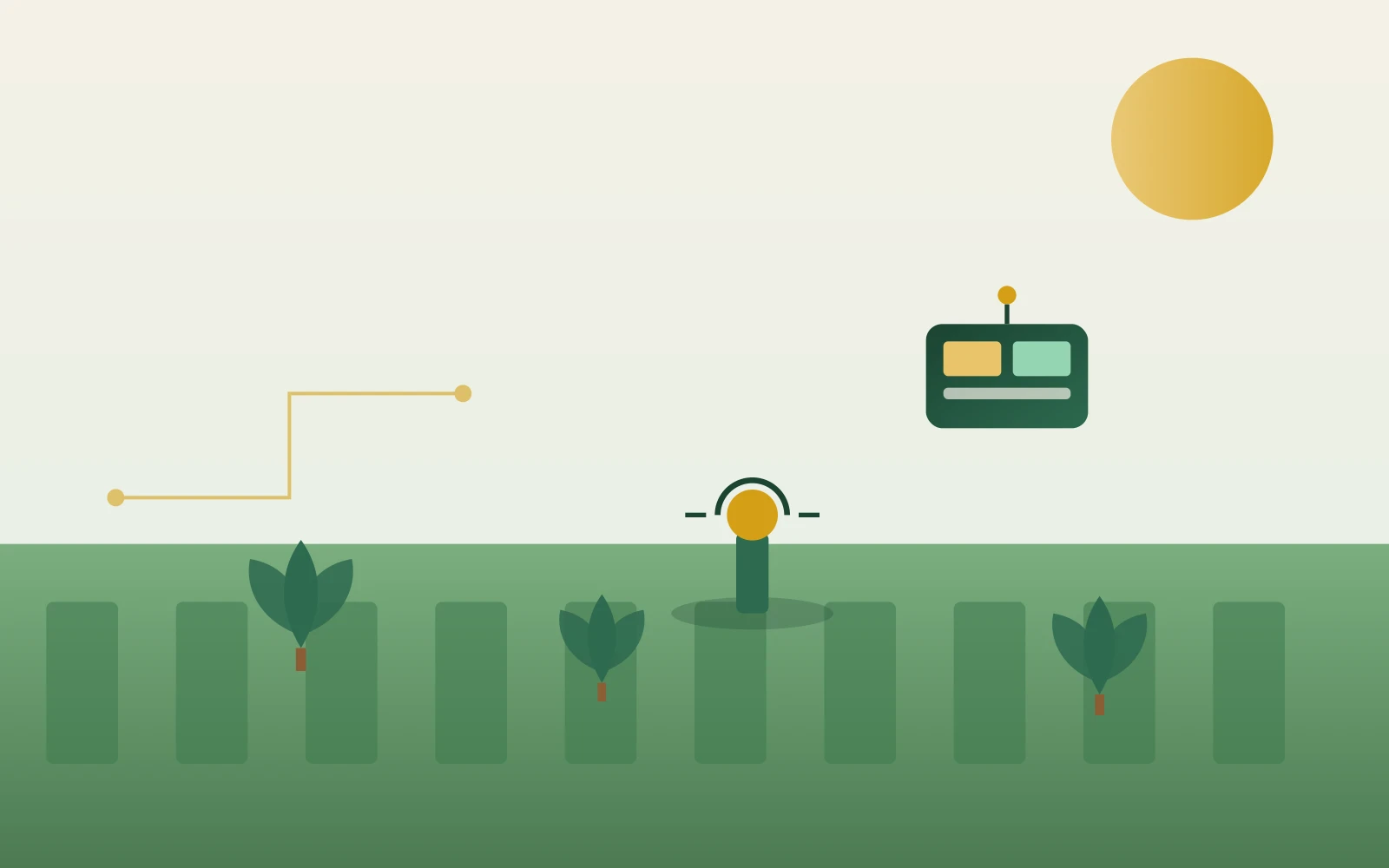
Smart Farming in the Field
A general view of a modern farm combining traditional cultivation with sensor networks and automated control systems.
What Is Meant by Modern Agricultural Technology?
Modern agricultural technology refers to the set of tools, systems, and software built on advanced sciences such as artificial intelligence, the Internet of Things, remote sensing, and robotics, all aimed at improving the efficiency of farming operations from planting through to harvest and marketing. Unlike traditional methods that rely on visual estimation and personal experience, these technologies are built on collecting and analyzing precise data in real time, giving farmers a clear picture of soil, crop, and surrounding climate conditions.
This ecosystem includes multiple integrated components: sensors embedded in the field, drones capturing aerial imagery of the farm, and software platforms that translate this data into actionable, practical recommendations. The ultimate goal of these technologies is to shift from guesswork-based farming to data-driven farming, achieving the highest possible return with the least amount of resources.
The Concept of Agricultural Automation
Agricultural automation means replacing or supporting manual, traditional processes with automated systems capable of performing tasks with little or no direct human intervention, limited mainly to monitoring and oversight. These processes range from simple tasks, such as automatically triggering irrigation pumps when soil moisture drops below a set threshold, to complex operations like self-driving tractors that plow and plant with high precision using positioning systems.
Automation is not limited to heavy machinery; it also includes greenhouse control systems that automatically regulate temperature, humidity, and lighting, as well as sorting and packing systems on post-harvest lines. The value of automation lies in its ability to work consistently around the clock, without fatigue or inconsistent performance, which directly improves final product quality and production regularity.
💡 Tip Before investing in full-scale automation, it is best to start with a pilot project on a limited section of the farm to measure actual returns before scaling up. |
The Importance of Digital Transformation in Agriculture
The agricultural sector faces mounting global pressure: the world's population is gradually approaching ten billion people over the coming decades, even as arable land shrinks and freshwater resources become scarcer due to climate change. Against this difficult backdrop, digital transformation becomes a necessity rather than an option, giving farmers and agricultural decision-makers a comprehensive, precise view of every stage of production, from selecting varieties suited to soil and climate, to scheduling irrigation and fertilization based on actual need, to predicting optimal harvest timing and market demand.
Digital transformation also helps connect small and medium-sized farms to global supply chains and improves their competitiveness through reliable data that supports pricing and export decisions. Thanks to this transformation, agriculture is no longer an isolated activity based on personal judgment; it has become an integrated system where agricultural engineering intersects with data science and economics.
Key Modern Technologies Used in Agriculture
A wide range of technologies has driven a qualitative shift in the agricultural sector in recent years. The most significant are outlined below:
Artificial Intelligence in Agriculture
Artificial intelligence is used in agriculture to analyze vast amounts of field, climate, and historical data in order to forecast expected yields and detect pests and plant diseases early, by analyzing images captured by cameras or drones. Machine learning algorithms also help determine the optimal timing for planting and harvesting, and fine-tune fertilization and irrigation rates to match each individual plot rather than treating the entire field as a single, uniform block.
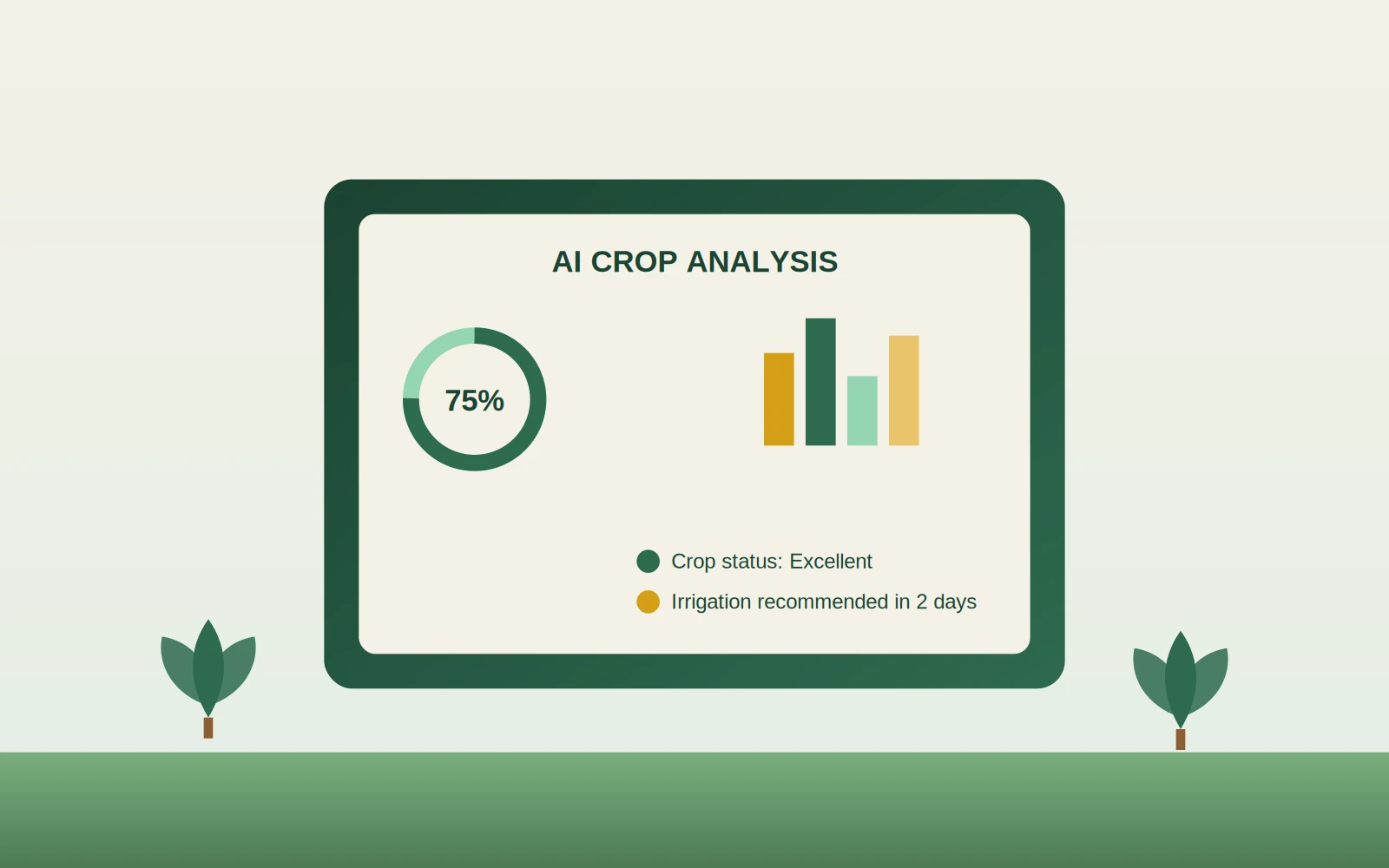
AI-Powered Crop Analysis
A digital dashboard displaying AI analysis results of crop health and irrigation recommendations.
Agricultural Internet of Things (IoT)
Agricultural IoT connects a network of sensors distributed across the field and greenhouses to a central digital platform. These devices monitor soil moisture, temperature, air humidity, and nutrient concentration, then transmit this data instantly to the farmer's phone or computer. This allows farmers to make immediate decisions without needing constant physical presence in the field, saving time and effort while reducing errors caused by manual estimation.
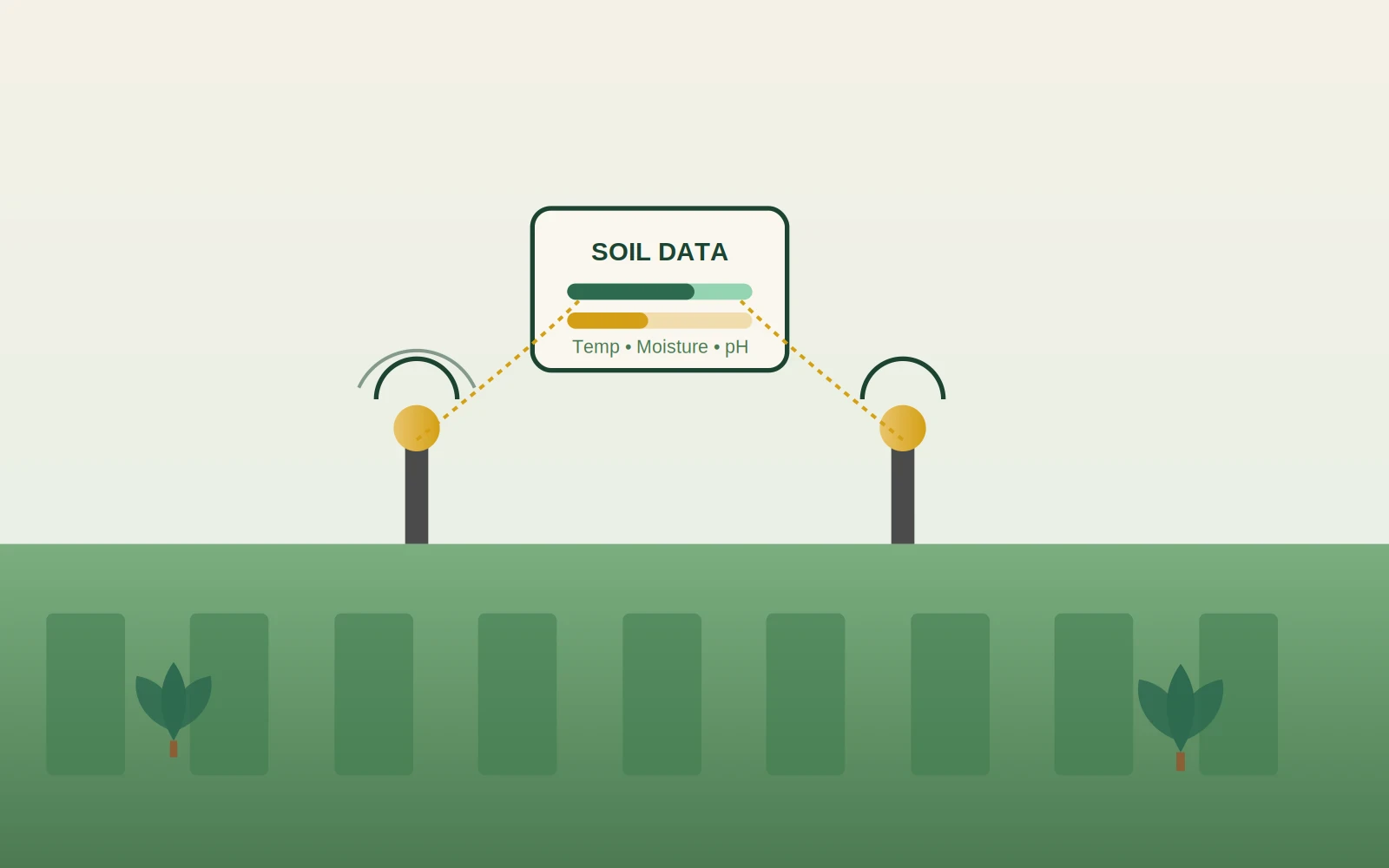
Smart Sensors in the Field
Sensors distributed throughout the field monitor soil moisture and temperature, transmitting data in real time.
Drones in Agriculture
Drones are used in agriculture to survey fields from the air, capturing high-resolution images that reveal areas of water stress or pest infestation before they become visible to the naked eye. They are also used for precision spraying of pesticides and fertilizers over specific target areas only, reducing the quantities used compared to traditional blanket spraying. These drones also provide precise data for calculating crop biomass and estimating expected yield ahead of harvest season.
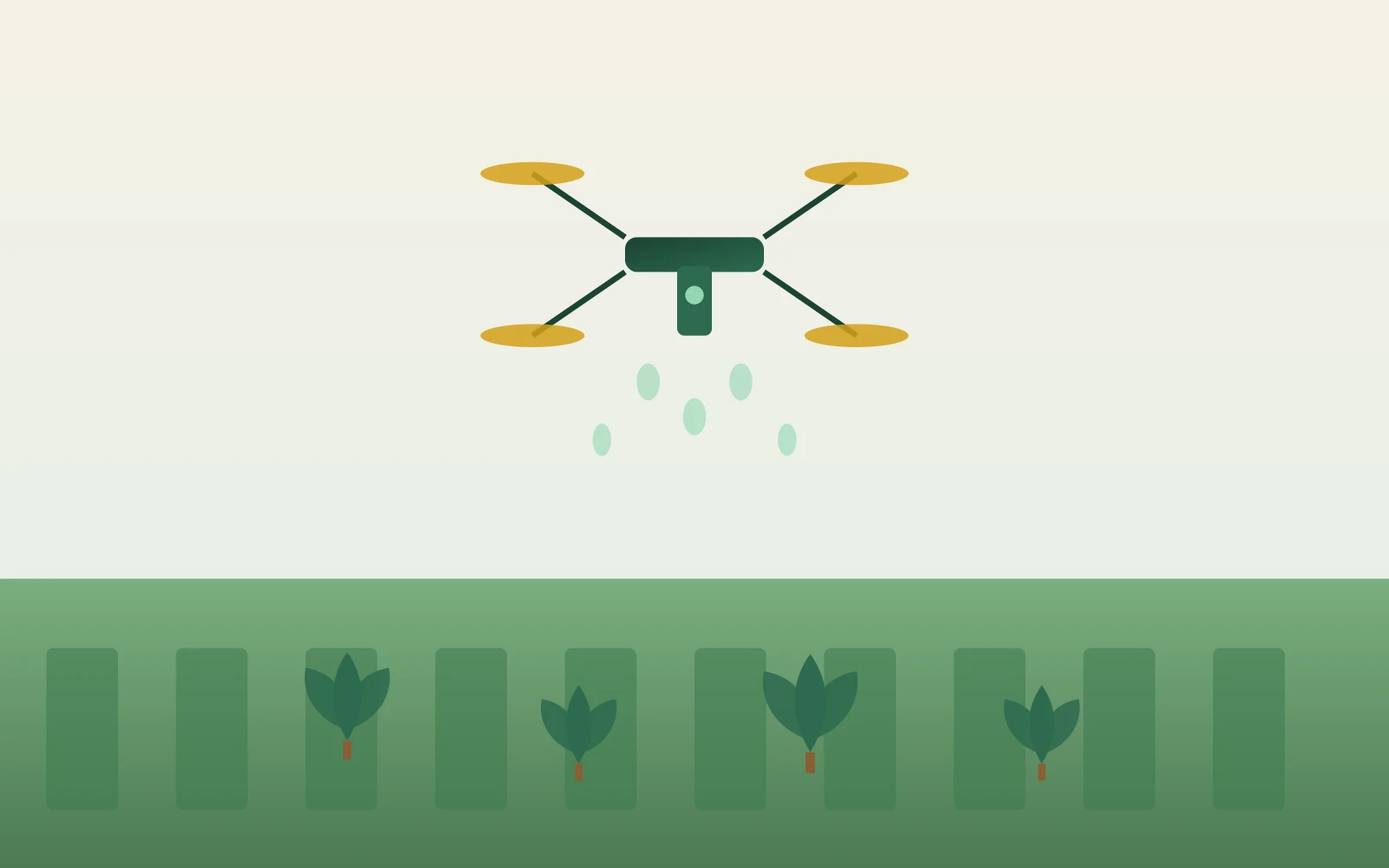
A Drone Spraying Crops
An unmanned aerial vehicle performing precision spraying on crops, reducing pesticide use compared to traditional methods.
Agricultural Robotics
Agricultural robots have entered multiple stages of the production process, from automated seedling planting, to mechanical weeding of fields without the use of herbicides, to harvesting delicate fruits such as strawberries and tomatoes using robotic arms equipped with optical sensors that distinguish ripe from unripe produce. These robots help close the gap left by seasonal agricultural labor shortages faced by many countries.
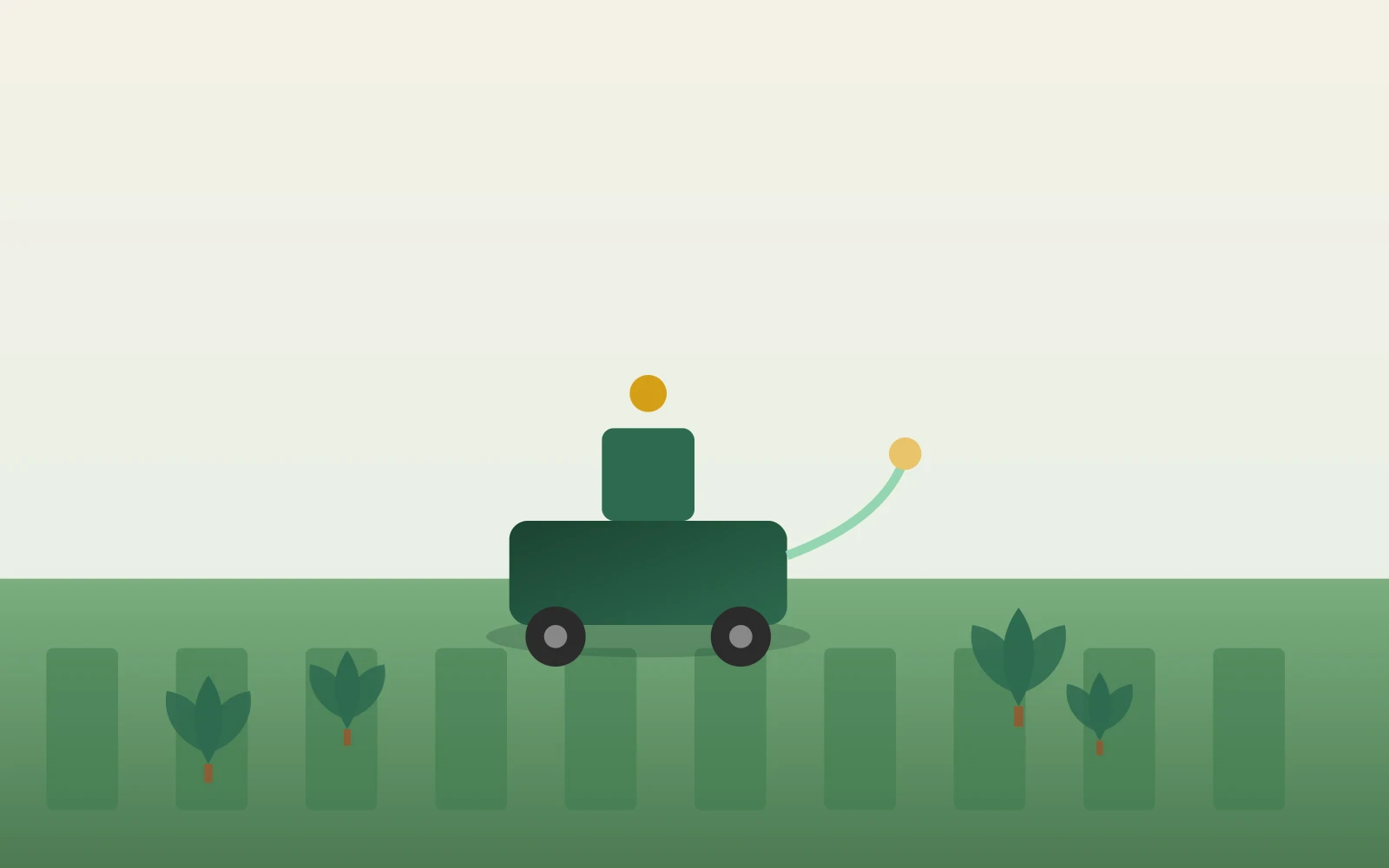
An Agricultural Robot in the Field
An agricultural robot equipped with a robotic arm performing harvesting and weeding tasks between crop rows.
Smart Irrigation Systems
Smart irrigation systems rely on soil moisture sensor data and weather forecasts to automatically trigger irrigation only when actually needed, delivering precisely the right amount of water. Drip irrigation technologies connected to smart control units that can be operated remotely via mobile apps are commonly used in this context, achieving significant water savings compared to traditional flood irrigation methods.
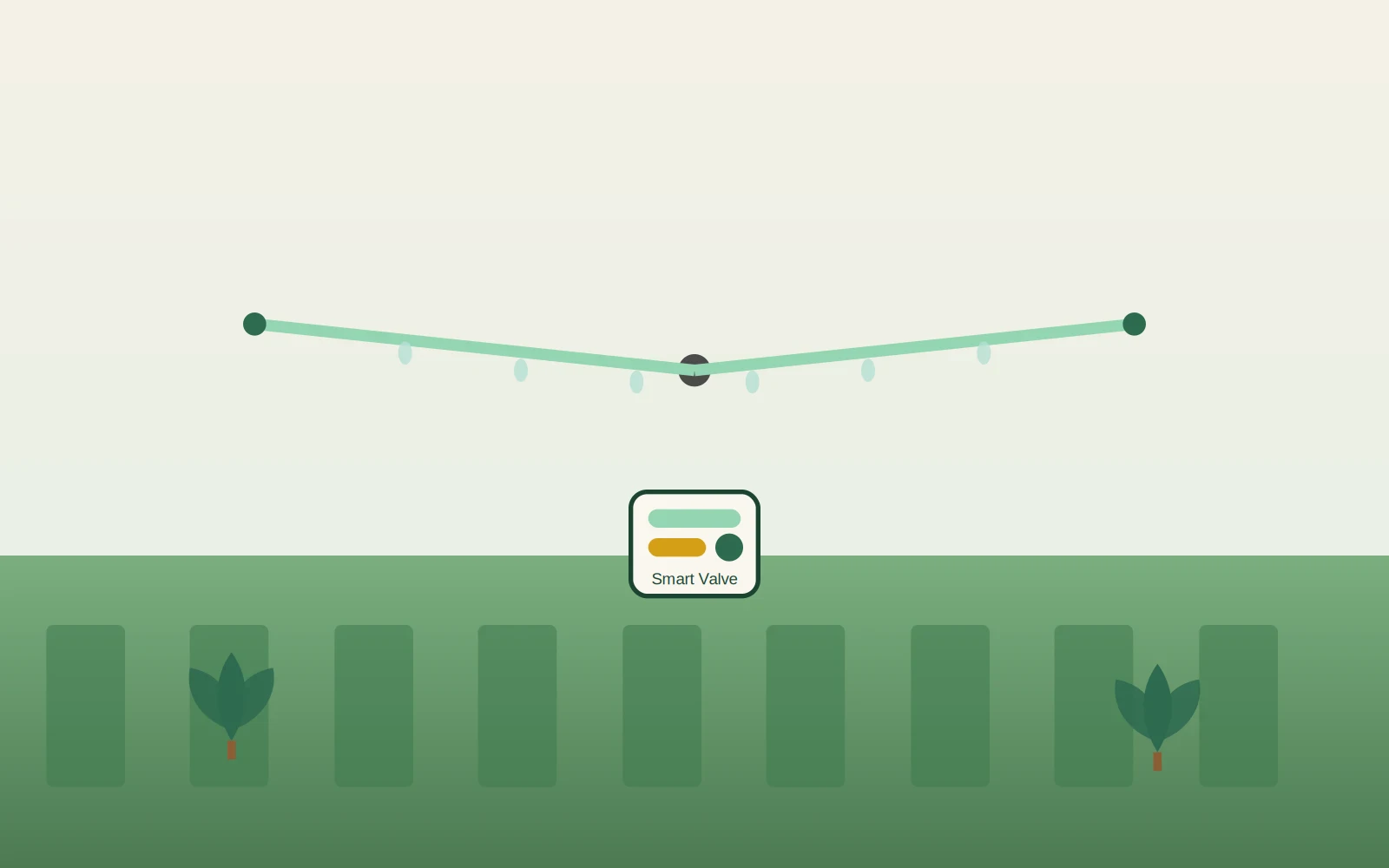
A Smart Irrigation System Linked to a Phone
A rotating sprinkler system connected to a smart control unit that adjusts water volume based on soil moisture.
Remote Sensing
Remote sensing technology relies on airborne or ground-based devices to monitor plant health indicators, revealing areas of stress or nutrient deficiency before visible symptoms appear on the plant, giving farmers a chance to intervene early and avoid larger losses later.
Satellite Imagery
Satellite imagery provides comprehensive coverage of large farms that would be difficult to monitor using traditional methods. It is used to track seasonal changes in vegetation cover, monitor weather patterns, estimate expected rainfall, and plan crop rotations based on historical data spanning many years.
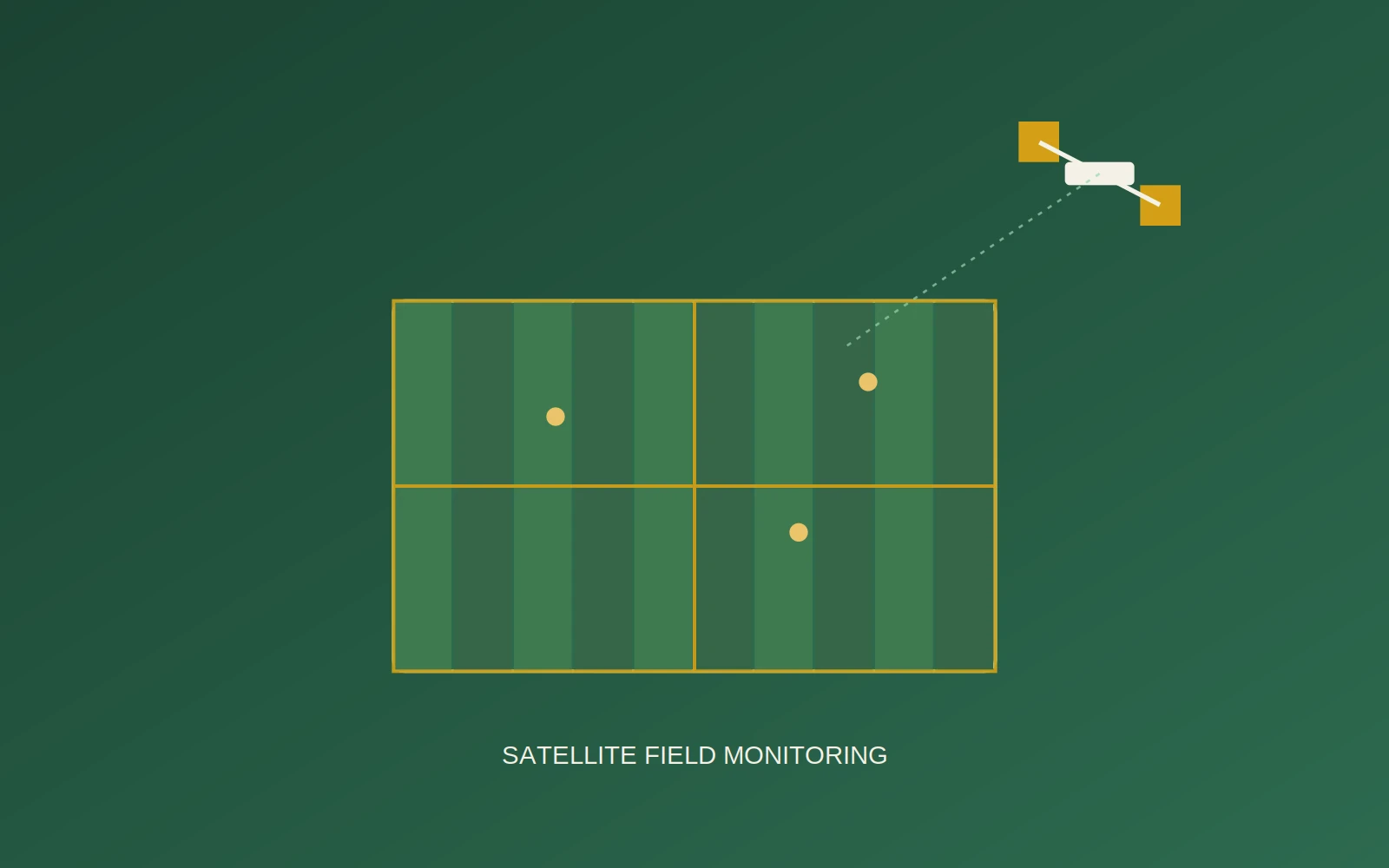
A Satellite Map of the Farm
Satellite data dividing the field into sectors to analyze vegetation cover conditions in each zone.
Big Data
Big data systems in agriculture aggregate information from multiple sources, including sensors, drones, satellites, and historical crop records, then analyze it to extract patterns and practical recommendations. This data helps farmers and large agricultural companies with long-term strategic planning and managing risks related to price and climate volatility.
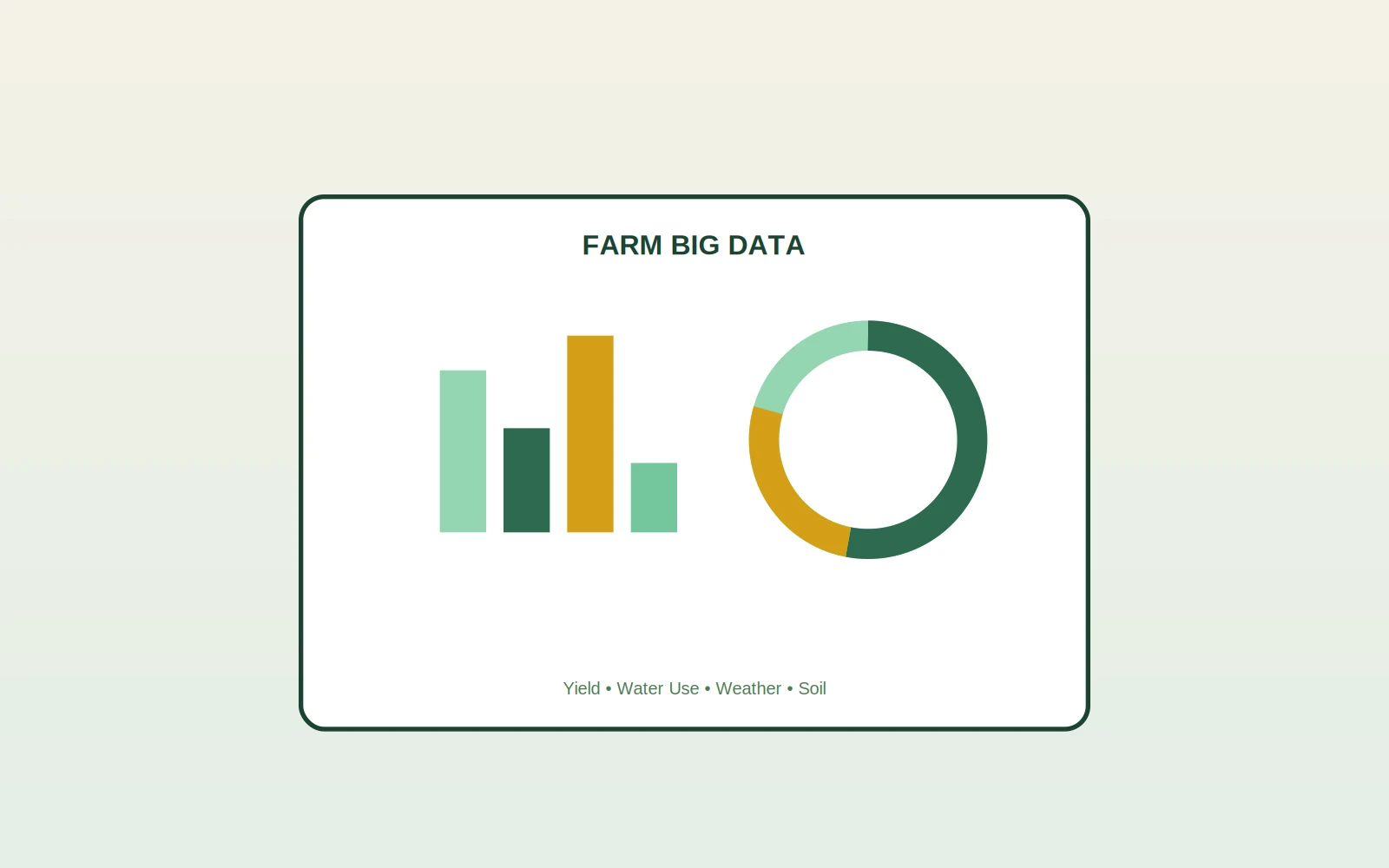
Agricultural Big Data Analysis
A dashboard bringing together productivity, water use, weather, and soil indicators in one place.
Benefits of Using Automation in Agriculture
Automation and modern technology in agriculture deliver a range of tangible benefits, most notably:
- Increased productivity through optimal resource use and reduced waste at every stage of production.
- Rationalized water consumption via smart irrigation systems that deliver significant water savings compared to traditional methods.
- Lower operating costs by reducing reliance on seasonal labor and rationalizing fertilizer and pesticide use.
- Improved crop quality through continuous monitoring and early intervention when negative indicators appear.
- Reduced environmental impact by cutting agrochemical use and limiting emissions from farm machinery.
- Stronger decision-making through accurate, reliable data instead of relying solely on personal judgment.
- Time and effort savings by automating repetitive tasks that once required long hours of manual labor.
Traditional Farming vs. Smart Farming
Criterion | Traditional Farming | Smart Farming |
|---|---|---|
Productivity | Moderate, relies on personal experience | Higher, driven by accurate, data-based decisions |
Water Consumption | High (often flood irrigation) | Reduced by 30-50% via smart irrigation |
Costs | Recurring, high labor operating costs | Higher upfront investment, lower running costs later |
Labor | Heavy reliance on seasonal manual labor | Reliance on automation with limited human oversight |
Precision | General estimates covering the whole field | High precision at the level of each plot of land |
Sustainability | Greater environmental impact from resource overuse | Lower environmental impact through efficient resource use |
Real-World Examples from Countries Leading in Smart Farming
The Netherlands tops the list of countries leading in smart farming, despite its small size. Its greenhouses rely on fully automated control systems for climate, irrigation, and nutrition, making it one of the world's largest vegetable exporters. In the United States, self-driving tractors and precision farming systems based on satellite data analysis are widespread on large farms in states such as Iowa and Nebraska.
In Japan, robots are widely used to harvest strawberries and vegetables due to a declining young agricultural workforce and a rising average age among farmers. In Israel, locally developed smart drip irrigation technologies have helped transform semi-arid regions into productive farmland with highly efficient water use. Regionally, Egypt and other Arab countries have begun adopting remote sensing technologies and modern irrigation systems as part of horizontal agricultural expansion projects, aimed at conserving water amid limited water resources.
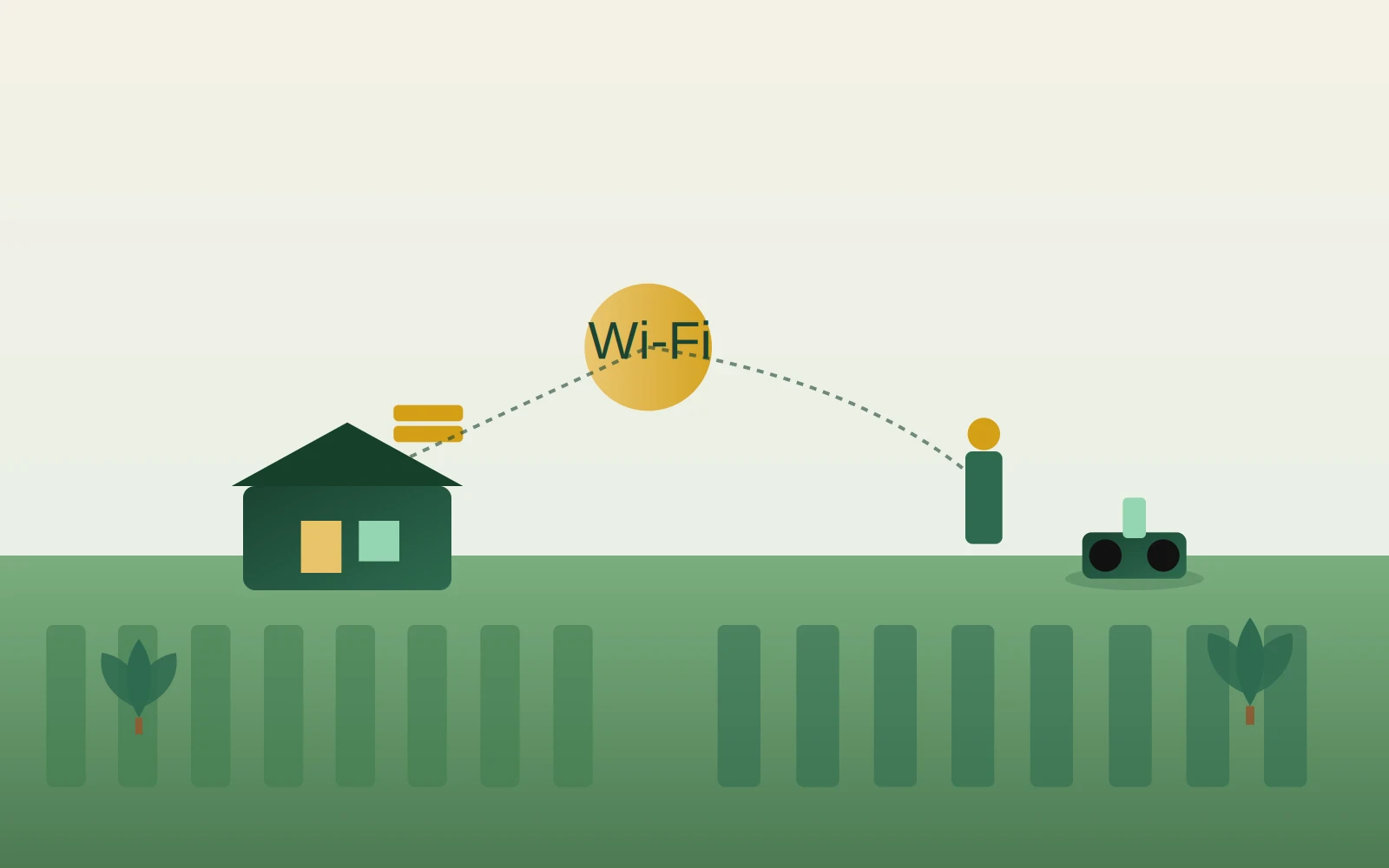
A Modern, Technology-Integrated Farm
A farm combining covered production units, a wireless sensor network, and automated agricultural machinery.
Challenges Facing the Adoption of Agricultural Technology
Despite the significant benefits, adopting modern agricultural technology faces several fundamental challenges. Financially, these technologies require relatively high upfront investment, which may be out of reach for small farmers, particularly in developing countries. Technically, operating these systems requires a certain level of technical knowledge and training, calling for dedicated awareness and skills programs for farmers.
Weak digital infrastructure, particularly internet coverage in remote rural areas, also poses an obstacle to fully benefiting from IoT systems that depend on continuous connectivity. In addition, data security and privacy concerns raise unresolved legal questions in many countries around who owns farm data and who has the right to use it. Finally, resistance to change remains an influential human factor, as some experienced farmers prefer to continue with the traditional methods they are accustomed to.
💡 Note Government support programs and accessible financing can play an important role in reducing the upfront cost barrier for small farmers. |
The Future of Smart Farming
The future of agriculture is heading toward deeper integration between technologies, with drones, ground sensors, satellites, and robots operating within a single interconnected system managed by artificial intelligence. In the coming years, vertical farms within cities are expected to become more widespread, relying entirely on automated control of lighting, climate, and nutrition without the need for traditional soil.
Fully autonomous tractors and machinery are also expected to expand further, and farms are likely to become better able to predict and respond to climate risks before they occur. As the cost of sensors and drones continues to fall, these technologies are likely to become accessible to a broader range of small and medium-scale farmers, rather than remaining the preserve of large farms and major agribusiness corporations alone.
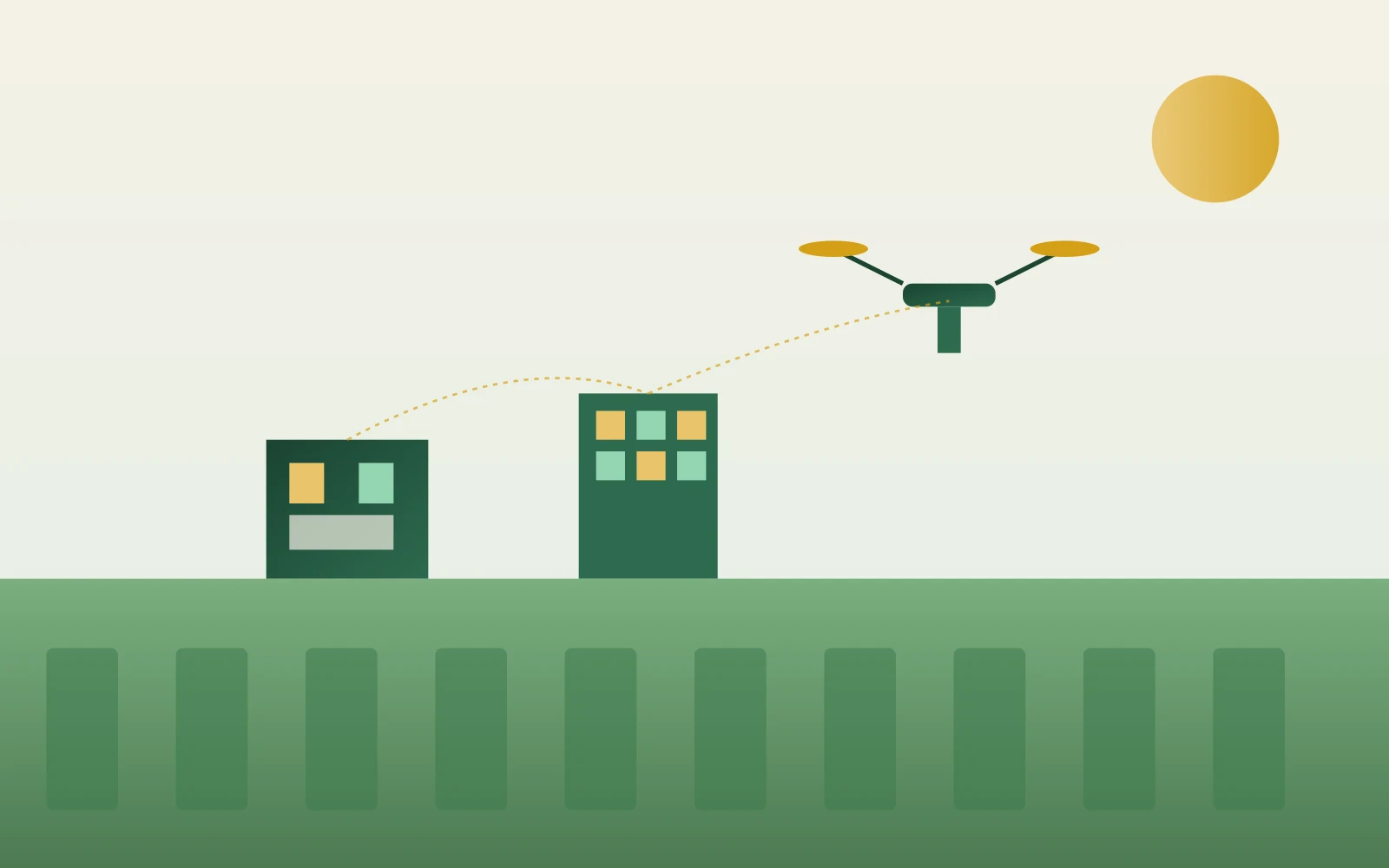
A Vision of the Farm of the Future
A futuristic farm relying on smart production units and drones operating within a fully integrated automated system.
Global Statistics on Agricultural Technology
Global figures reflect the scale of the transformation currently underway in the agricultural technology sector:
- The global digital agriculture market is projected to reach approximately $26 billion in 2026, with expectations of surpassing $53 billion by 2033 (Source: Coherent Market Insights).
- The global precision agriculture market is estimated at approximately $11 billion in 2026, projected to reach around $33.6 billion by 2034 (Source: Straits Research).
- Field studies show that smart irrigation and precision farming technologies can reduce water consumption by 30% to 50% compared to traditional irrigation (Source: ScienceDirect).
- Research indicates that precision spraying using drones and sensor systems can reduce pesticide use by up to 50% in certain field applications (Source: Nature – npj Sustainable Agriculture).
- Precision agriculture technologies can boost productivity by 20% to 30%, while cutting waste of agricultural inputs by up to 60% (Source: Frontiers in Plant Science).
- Adopting automation and robotics technologies can reduce agricultural labor costs by nearly 25% in certain applications (Source: Frontiers in Plant Science).
Conclusion
Modern technology and agricultural automation are no longer merely peripheral support tools; they have become a fundamental pillar for ensuring sustainable food security in a world facing mounting pressure on its natural resources. From artificial intelligence to drones, and from smart irrigation systems to agricultural robotics, these technologies give farmers of every scale the opportunity to produce more with fewer resources, in a way that is more sustainable for the environment.
While challenges related to cost, training, and infrastructure remain, the overall trajectory is clear: global agriculture is moving rapidly toward greater digitization and intelligence, reshaping the contours of this vital sector over the coming decades and making smart farming not a choice, but an inevitable future.
Frequently Asked Questions
Q1: What is the difference between traditional farming and smart farming?
A: Traditional farming relies on experience and personal judgment to make decisions, while smart farming relies on accurate data collected from sensors, drones, and satellites to make decisions based on the field's actual conditions.
Q2: Are modern agricultural technologies suitable only for large farms, or can small farmers use them too?
A: These technologies initially targeted large farms due to their cost, but as sensor and drone prices have gradually fallen, simplified versions have become accessible to small and medium-scale farmers as well.
Q3: How much water can smart irrigation systems actually save?
A: Studies indicate that smart irrigation systems can reduce water consumption by 30% to 50% compared to traditional irrigation methods, depending on the crop and region.
Q4: Does smart farming require a constant internet connection?
A: Most agricultural IoT systems depend on a continuous or periodic internet connection to transmit data, which makes network coverage in rural areas a key factor in the success of these systems.
Q5: Do agricultural robots completely replace human labor?
A: No. Agricultural robots are primarily designed to close the gap left by seasonal labor shortages and to handle repetitive or physically demanding tasks, while human oversight, maintenance, and strategic decision-making remain essential.
Q6: What is the best technology to start with for someone looking to modernize their farm?
A: It is generally recommended to start with basic sensor systems for monitoring soil moisture and climate, given their relatively low cost and ease of installation, before moving on to more complex solutions such as drones or robotics.
Q7: Is smart farming environmentally friendly?
A: Yes. Smart farming helps reduce water, pesticide, and fertilizer consumption through precise, needs-based resource use, which lowers environmental impact compared to traditional methods.
Q8: What role does artificial intelligence specifically play in agricultural decision-making?
A: AI analyzes large volumes of historical and real-time data to deliver precise recommendations on planting, irrigation, fertilization, and harvest timing, reducing the margin of error in agricultural decisions. .
تابع جديد Osama
اختر إشعارات الموقع أو البريد أو الاثنين. الزائر يقدر يشترك ببريده دون تسجيل حساب.
الإبلاغ عن المقال
لو لاحظت مشكلة في المحتوى، أرسلها لفريق المراجعة. لن تظهر بياناتك لكاتب المقال أو للقراء.
تعذّر إرسال البلاغ الآن. حاول مرة أخرى لاحقًا.
سجّل الدخول لإرسال بلاغ







النقاش
التعليقات (0)
فكرة تضيفها، أو سؤال يفتح حوارًا.
الرجاء تسجيل الدخول لتتمكن من التعليق