
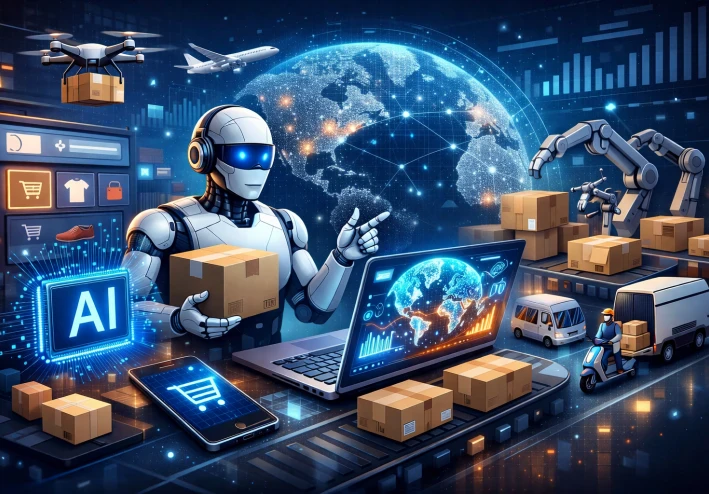
How Artificial Intelligence Is Quietly Transforming the Future of Dropshipping
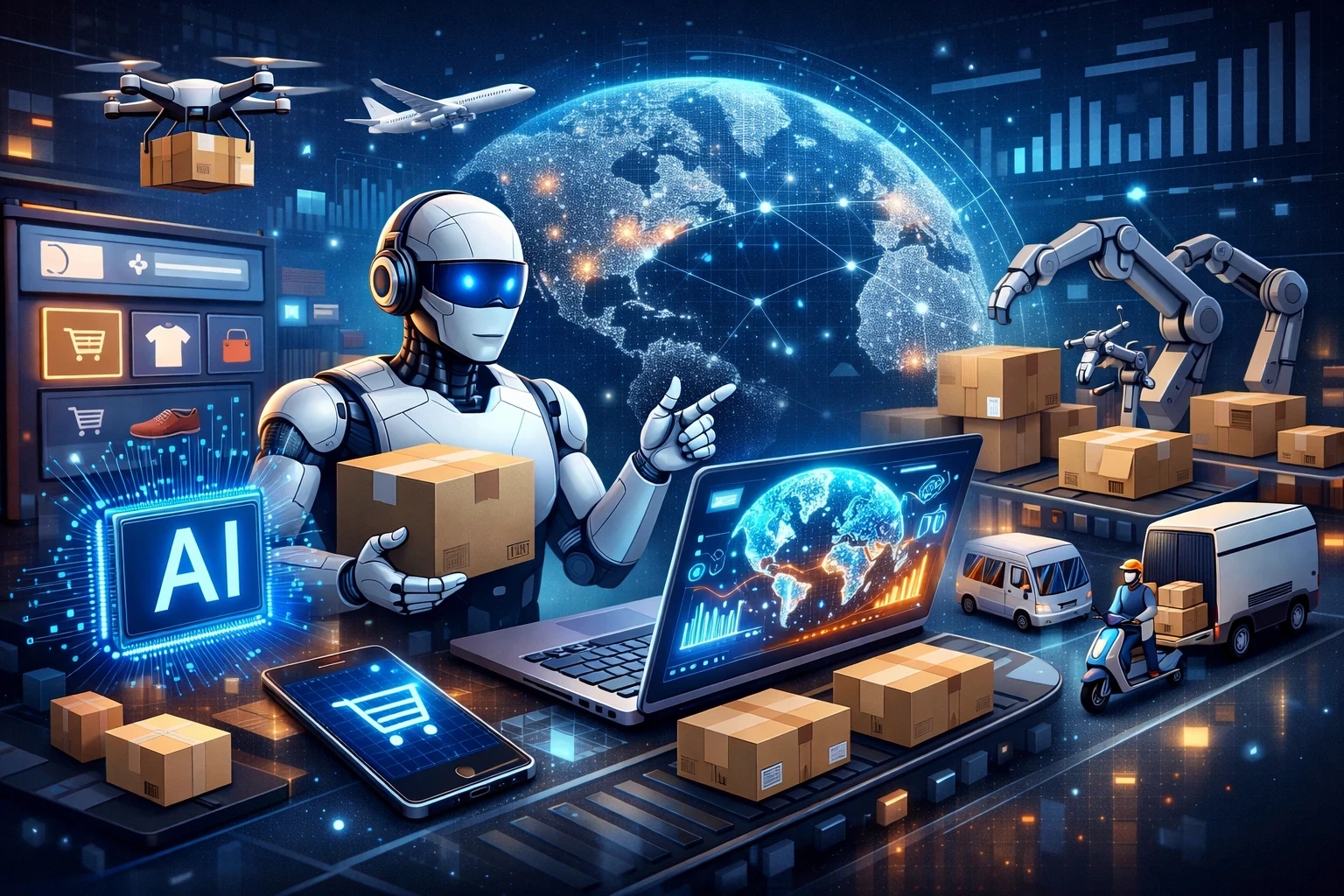
In recent years, dropshipping has evolved from a simple side hustle into a highly competitive global business model. What once required long hours of manual product research, customer service, and trial-and-error marketing is now being reshaped by a powerful force: artificial intelligence. While many online entrepreneurs are still relying on traditional methods, a new generation of sellers is quietly leveraging AI to build smarter, faster, and more efficient dropshipping businesses.
This shift is not loud or obvious at first glance. There are no dramatic changes in how stores look or how products are delivered. Instead, the transformation is happening behind the scenes—in data analysis, decision-making, automation, and personalization. The result is a more refined and scalable approach to dropshipping that reduces guesswork and increases profitability.
The Evolution of Dropshipping
To understand the role of AI, it’s important to first look at how dropshipping has traditionally worked. At its core, dropshipping allows entrepreneurs to sell products online without holding inventory. When a customer places an order, the seller purchases the item from a supplier, who then ships it directly to the customer.
While this model lowers the barrier to entry, it also introduces several challenges. Finding winning products, managing suppliers, handling customer inquiries, and running effective advertising campaigns all require time and experience. Many beginners struggle because they rely on instinct rather than data.
This is where artificial intelligence begins to make a difference.
Smarter Product Research
One of the biggest challenges in dropshipping is identifying products that will actually sell. In the past, sellers would spend hours browsing marketplaces, analyzing trends manually, or copying competitors. This process was not only time-consuming but also unreliable.
AI changes this completely. Modern tools can analyze massive amounts of data from multiple sources—search trends, social media activity, customer reviews, and sales patterns—to identify products with high potential. Instead of guessing, sellers can now make decisions based on real insights.
For example, AI can detect emerging trends before they become saturated. It can identify products that are gaining traction in specific regions or among certain demographics. This allows sellers to enter the market early, giving them a significant advantage.
Automated Store Creation
Building an online store used to require design skills, technical knowledge, or a budget to hire professionals. Today, AI can handle much of this process automatically.
From generating product descriptions to designing layouts, AI tools can create a fully functional store in a fraction of the time. More importantly, these tools can optimize content for conversions. They analyze what type of language, structure, and visuals are most effective in encouraging customers to make a purchase.
This doesn’t mean that human creativity is no longer important. Instead, AI acts as a powerful assistant, handling repetitive tasks while allowing entrepreneurs to focus on strategy and branding.
Personalized Customer Experience
One of the most underrated aspects of successful dropshipping is customer experience. In a crowded market, the difference between a one-time buyer and a loyal customer often comes down to how personalized and smooth the shopping experience feels.
AI excels in this area. By analyzing customer behavior—such as browsing history, purchase patterns, and preferences—AI can tailor the shopping experience for each individual.
This can include:
- Recommending products that match the customer’s interests
- Adjusting pricing strategies based on demand
- Sending personalized email campaigns
- Providing instant customer support through intelligent chatbots
These small improvements add up. Customers are more likely to trust a store that feels responsive and relevant to their needs.
Data-Driven Advertising
Advertising is often the most expensive part of running a dropshipping business. Without the right strategy, it’s easy to spend money without seeing results.
AI helps solve this problem by making advertising more precise. Instead of targeting broad audiences, AI can identify the exact type of customer who is most likely to buy a product. It analyzes data from previous campaigns and continuously improves targeting and ad performance.
This means:
- Lower cost per conversion
- Higher return on investment
- Faster testing of new products
AI can even generate ad creatives, including headlines and visuals, based on what is proven to work. This allows sellers to launch campaigns quickly and refine them in real time.
Inventory and Supplier Optimization
Although dropshipping eliminates the need to hold inventory, managing suppliers is still a critical part of the business. Delays, stock shortages, and inconsistent quality can harm a store’s reputation.
AI tools can monitor supplier performance and predict potential issues before they happen. For example, they can analyze delivery times, customer feedback, and order accuracy to recommend the most reliable suppliers.
Some systems can even automate order fulfillment, ensuring that orders are processed quickly and accurately without manual intervention.
Reducing Human Error
One of the hidden benefits of AI in dropshipping is the reduction of human error. Manual processes—such as entering order details, responding to repetitive customer inquiries, or updating product listings—are prone to mistakes.
AI minimizes these risks by automating routine tasks. This not only improves efficiency but also ensures consistency across the business. Customers receive accurate information, orders are processed correctly, and operations run smoothly.
The Human Element Still Matters
Despite all these advancements, it’s important to understand that AI is not a complete replacement for human involvement. Successful dropshipping still requires creativity, strategic thinking, and adaptability.
AI provides tools and insights, but it doesn’t build a brand or understand cultural nuances the way humans do. The most successful entrepreneurs are those who use AI as a support system rather than relying on it entirely.
They combine data-driven decisions with personal intuition, creating businesses that are both efficient and authentic.
Challenges and Considerations
While AI offers many advantages, it also comes with its own set of challenges. Not all tools are reliable, and some may provide inaccurate or outdated data. It’s important for sellers to choose their tools carefully and continuously evaluate their performance.
There is also the risk of over-automation. When everything is handled by AI, businesses can lose their personal touch. Customers may feel like they are interacting with a machine rather than a real brand.
Balancing automation with genuine human interaction is key.
The Future of AI in Dropshipping
Looking ahead, the role of AI in dropshipping is only expected to grow. As technology continues to improve, we can expect even more advanced features, such as:
- Predictive analytics that forecast market trends with high accuracy
- Fully automated stores that require minimal human intervention
- Enhanced personalization that feels almost human-like
- Integration with emerging technologies like augmented reality
These developments will make dropshipping more accessible while also raising the level of competition. Sellers who adapt early will have a clear advantage.
Final Thoughts
Artificial intelligence is not just a trend in the world of dropshipping—it is a fundamental shift in how businesses are built and operated. By removing much of the guesswork and manual effort, AI allows entrepreneurs to focus on what truly matters: creating value for their customers.
However, success still depends on how these tools are used. AI can provide insights, automate processes, and improve efficiency, but it cannot replace vision, creativity, or determination.
In the end, the future of dropshipping belongs to those who can strike the right balance between technology and human insight. Those who embrace AI without losing their unique voice will be the ones who stand out in an increasingly competitive market.






الرجاء تسجيل الدخول لتتمكن من التعليق