
في هذا المقال
The Impact of Video Games on Youth: A Double-Edged Sword
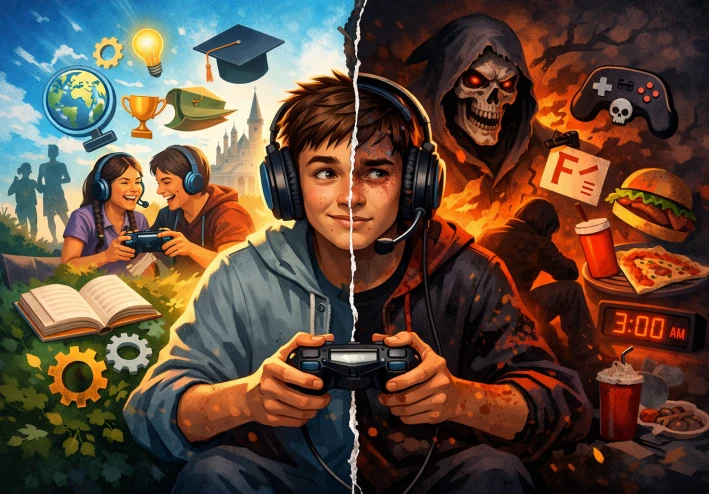
In today’s fast-paced digital era, video games are no longer just a casual pastime or a fleeting hobby. They have evolved into a deep cultural, social, and economic phenomenon. Since youth are the most captivated and interactive demographic with these virtual worlds, examining their impact has become essential. Are video games a tool for developing young minds, or a gateway to draining their time and energy?
The answer lies neither in black nor white, but in a vast gray area shaped by the type of game, the number of hours played, and the player’s real-life environment.
The Bright Side: Positive Effects
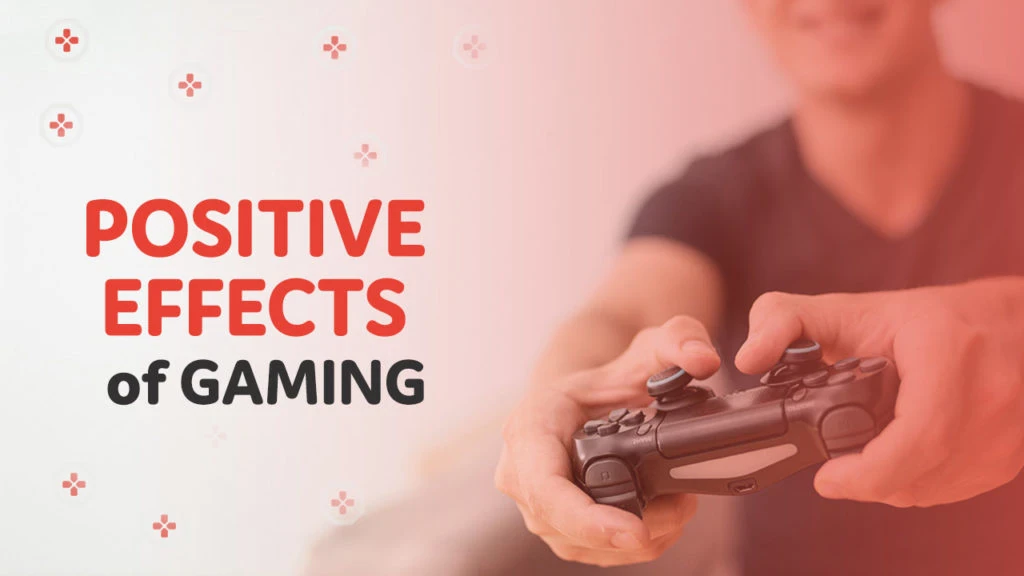
It is impossible to deny that video games, when used mindfully, offer numerous benefits:
- Developing Cognitive Skills: Many games require strategic thinking, problem-solving under pressure, and quick decision-making. Studies have shown that certain games enhance focus, improve hand-eye coordination, and develop the ability to multitask.
- Building Social Connections: Contrary to the stereotype of the isolated gamer, multiplayer online games allow youth to cooperate with friends from around the globe. This fosters teamwork, leadership skills, and global communication.
- Stress Relief: Virtual worlds provide a "safe space" for young people to escape the pressures of studies or work, allowing them to vent negative energy and frustrations in a harmless way.
- Language and Tech Learning: Since the majority of top-tier games are developed in English, they naturally motivate players to pick up new vocabulary and improve their language skills. Furthermore, some games spark an interest in the basics of programming and digital design.
The Dark Side: Negative Effects
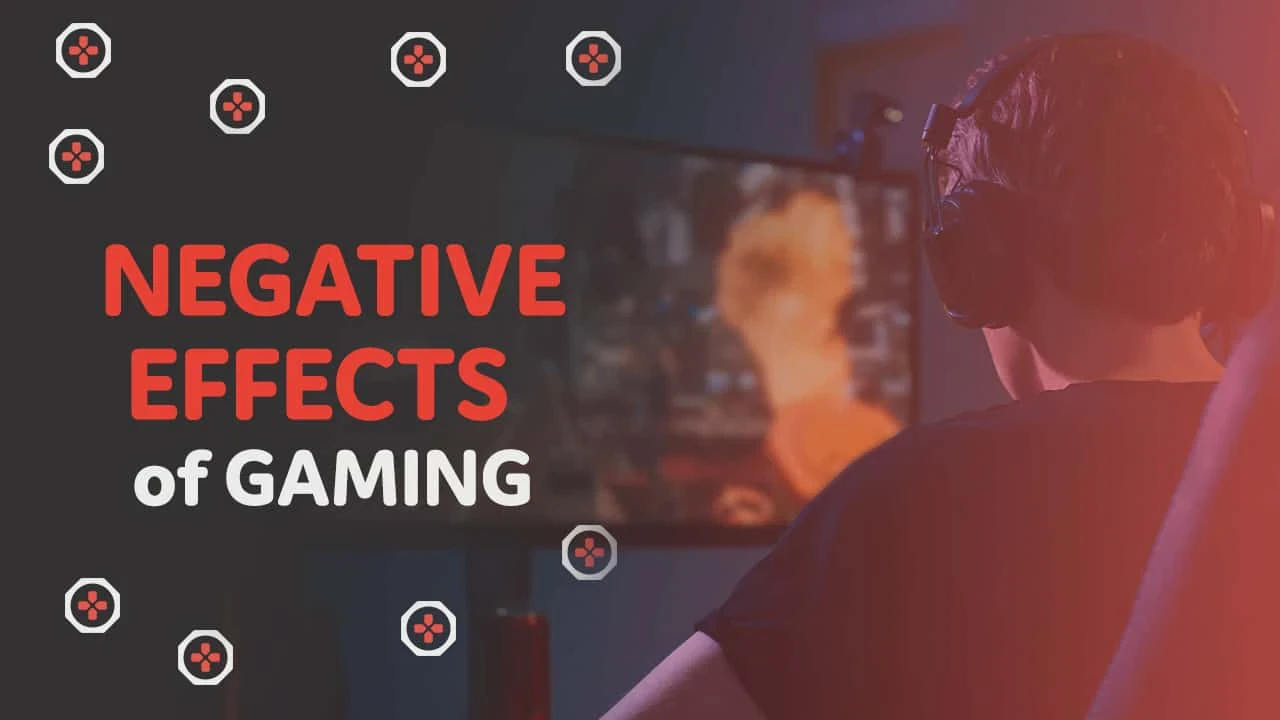
On the flip side, the real danger emerges when gaming transitions from a "hobby" to an "addiction." This is where the profound risks manifest:
- Screen Addiction: Modern games are designed using psychological mechanisms—such as reward systems and level-ups—that trigger dopamine release in the brain. This can make youth powerless to stop playing, severely disrupting their daily lives.
- Physical Health Deterioration: Sitting for hours in front of a screen leads to a sedentary lifestyle, which can cause obesity, back and joint pain, vision problems, and sleep disorders.
- Academic and Professional Decline: The time consumed by gaming often comes at the expense of studying or working, leading to a noticeable drop in performance and the abandonment of real-world ambitions.
- Real-World Social Isolation: Despite virtual interactions, excessive gaming can cause a youth to withdraw from their family and local community, causing them to lose vital face-to-face social skills.
- Behavioral Impact: Continuous exposure to games containing explicit violence or inappropriate content can lead to the desensitization of the youth. In some cases, especially when lacking parental guidance, it may drive them to mimic aggressive behaviors in real life.
When Does Gaming Become a Problem?
Warning signs that indicate gaming has turned into an addiction include losing track of time (playing for hours without realizing it), neglecting responsibilities, feeling irritable or aggressive when prevented from playing, and abandoning real-life hobbies in favor of the game.
Striking a Balance: How to Manage the Phenomenon
To mitigate the negatives and enhance the positives, the responsibility falls on three main pillars:
- The Youth (Self-Awareness): Young people must realize that gaming is a tool, not the ultimate goal. Setting a strict time limit (e.g., a maximum of two hours a day), exercising regularly, and dedicating time to reading and hanging out with real-life friends are crucial steps.
- The Family (Dialogue, Not Prohibition): The best approach is not to confiscate devices or ban gaming by force, as this will only ignite conflict. A better strategy is to occasionally participate in the gaming to understand its nature, set clear and agreed-upon rules regarding playtime, and provide attractive offline
conclusion
In conclusion, video games are neither purely harmful nor entirely beneficial—they are a powerful tool whose impact depends on how they are used. When approached with balance, discipline, and awareness, gaming can enhance cognitive abilities, foster social connections, and provide meaningful relaxation. However, when left unchecked, it can quickly turn into a source of addiction, isolation, and decline in both health and productivity. The key lies in moderation and guidance: by setting healthy boundaries and encouraging a well-rounded lifestyle, youth can enjoy the advantages of gaming without falling into its pitfalls. Ultimately, the responsibility is shared between individuals and families to ensure that video games remain a positive force rather than a destructive one.e Threads and Quests
تابع جديد Mehdoud
اختر إشعارات الموقع أو البريد أو الاثنين. الزائر يقدر يشترك ببريده دون تسجيل حساب.
الإبلاغ عن المقال
لو لاحظت مشكلة في المحتوى، أرسلها لفريق المراجعة. لن تظهر بياناتك لكاتب المقال أو للقراء.
تعذّر إرسال البلاغ الآن. حاول مرة أخرى لاحقًا.
سجّل الدخول لإرسال بلاغ





النقاش
التعليقات (0)
فكرة تضيفها، أو سؤال يفتح حوارًا.
الرجاء تسجيل الدخول لتتمكن من التعليق