
In this article
Cybersecurity in Times of War
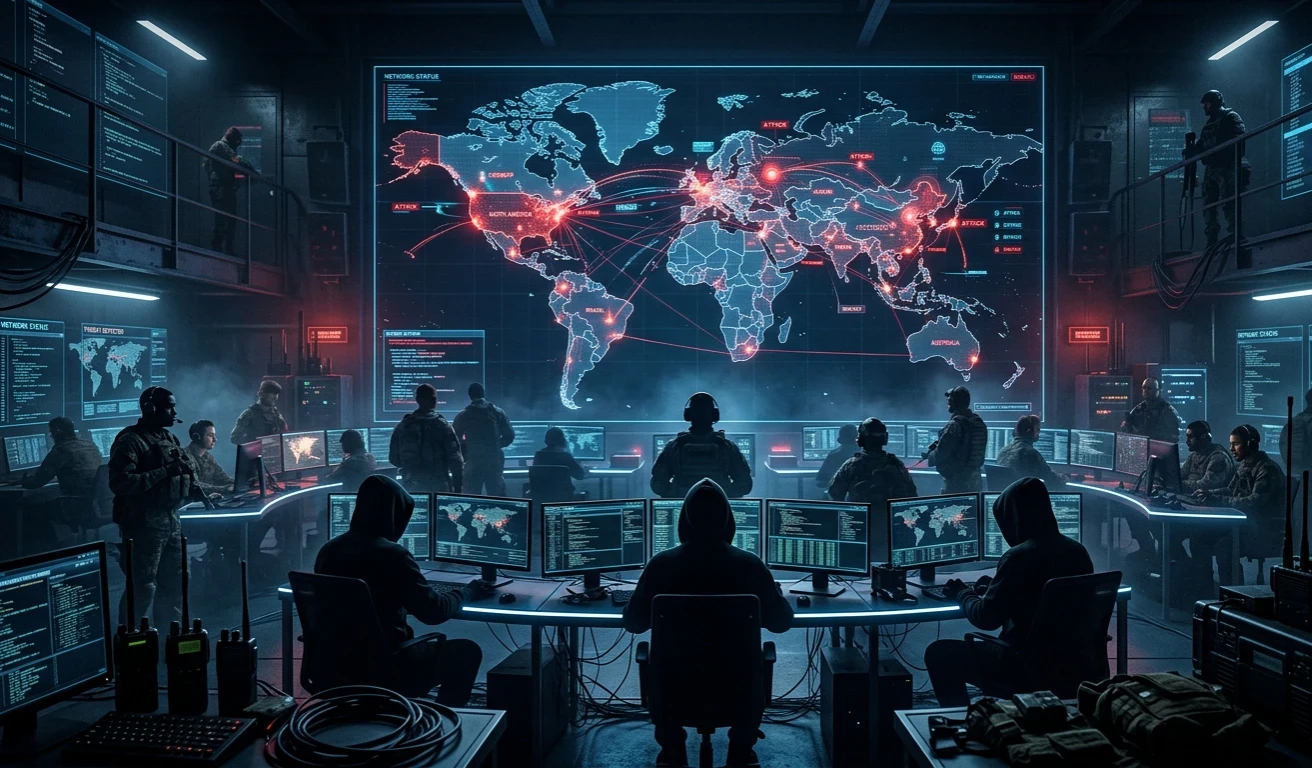
With the rapid advancement of technology, the nature of warfare has changed dramatically. Battles are no longer fought only on land or in the air; they are now also conducted through networks and digital systems. This is where cybersecurity emerges as a critical element in protecting nations and vital infrastructure.
What is Cybersecurity?
Cybersecurity refers to a set of measures and technologies designed to protect systems, networks, and data from digital attacks. These attacks include hacking, espionage, service disruption, and the theft of sensitive information.
How Are Cyber Attacks Used in Wars?
In modern warfare, cyberattacks are used as a tool to weaken the enemy without firing a single bullet. A country can:
Disrupt electricity and water networks
Hack communication systems
Steal sensitive military information
Spread misinformation to create chaos within society
These methods make war more dangerous because they target the internal structure of nations.
The Importance of Cybersecurity in Modern Wars
Cybersecurity has become the first line of defense against digital attacks. Without it, countries could face a complete collapse of their critical systems. Its key roles include:
Protecting military data
Securing critical infrastructure
Preventing cyber espionage
Maintaining economic stability
Examples of Cyber Warfare
In recent years, the world has witnessed numerous cyberattacks linked to political conflicts, targeting banks, airports, and government systems. These incidents have proven that power is no longer defined فقط by weapons, but by the ability to control information.
Challenges Facing Cybersecurity
Despite its importance, cybersecurity faces several challenges, such as:
The continuous evolution of attack methods
A shortage of skilled professionals
Low security awareness among users
Heavy reliance on technology
Strategies to Enhance Cybersecurity
To these growing threats, governments and organizations rely on several strategies, including:
Regularly updating systems to fix security vulnerabilities
Using encryption technologies to protect sensitive data
Training employees on security awareness and how to handle attacks
Establishing specialized incident response teams
These measures may not completely prevent attacks, but they significantly reduce their impact.
The Role of Artificial Intelligence in Cybersecurity
Artificial Intelligence has become a key component in strengthening cybersecurity. It is used for:
Detecting attacks faster than humans
Analyzing massive amounts of data to identify threats
Predicting attacks before they occur
However, it can also be used by attackers to develop more sophisticated threats, making cyber conflict more advanced and dangerous.
Cybersecurity and Individuals
Cybersecurity is not limited to nations; it also extends to individuals. Every internet user is a potential target:
Use strong passwords
Avoid suspicious links
Enable two-factor authentication
Regularly update software and applications
User awareness is the first line of defense against simple attacks that can lead to major problems.
The Future of Cyber Warfare
Cyber warfare is expected to play an even greater role in the future, becoming a fundamental part of any conflict. We may witness:
Wars decided entirely online
Increased targeting of smart infrastructure
The use of advanced technologies such as the Internet of Things in attacks
This means that investing in cybersecurity is no longer optional—it is a necessity.
Conclusion
In today’s world, cybersecurity has become an essential necessity, especially with the rise of digital warfare. Nations that invest in this field gain a significant strategic advantage, as they protect themselves not only from attacks but also from potential internal collapse.
Keep up with AHMED AMGAD
Choose site notifications, email, or both. Guests can subscribe by email without an account.
Report this article
Tell our review team about a problem with this content. Your details will not be shown to the author or other readers.
Your report could not be sent. Please try again later.
Sign in to report an article







Discussion
comments (0)
Share a perspective. Start a thoughtful conversation.
please login to be able to comment