Google Smart Glasses: From the failure of the past to the promise of the smart future
Introduction to devices and their development
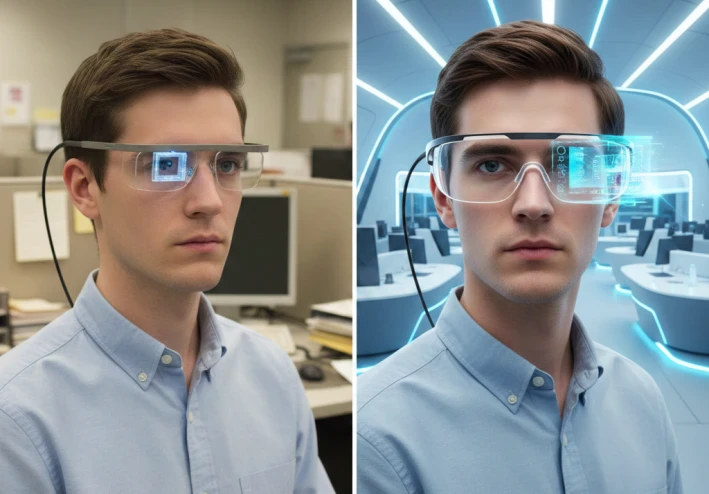
Although smart devices connected to our bodies have become part of our daily lives (such as smart watches), the idea of smart glasses has not yet become widespread. Google Glass was one of the first projects to spark controversy in this area, as it offered a hybrid vision that combined traditional glasses with a digital screen that displays information in front of the user's eyes. However, these glasses did not achieve the popularity that Google expected, and they abandoned the project for a long time before the company returned today with a completely new version
Google Glass was first launched in 2013 as a prototype of augmented reality devices that project information directly into the user's field of vision, and support voice control, camera, and notifications. But it faced major challenges that led to the project stopping as a consumer in the market.
Reasons for failure in the past
Privacy: Older glasses raised privacy concerns due to their ability to shoot video and take photos without full clarity to other users, making many people uncomfortable or apprehensive about having a continuous camera.
Design: The design was unfamiliar to most people and was considered strange compared to traditional glasses, which made the public reluctant to wear them on a daily basis.
Limited adoption: The technology was early and didn't have much use for AI or practical applications that would actually engage users.
Prices: The high price of glasses made them inaccessible to the general public, which affected their spread.
In the end, Google stopped selling these glasses even for professional (enterprise) use and officially stopped support for them, which marked the first end of the project.
New smart glasses from Google in 2026
After years of hiatus, Google is preparing to return to the world of smart glasses in 2026, but this time in a new style that relies more on artificial intelligence and a new development system called Android XR.
New generation features
Integrated artificial intelligence
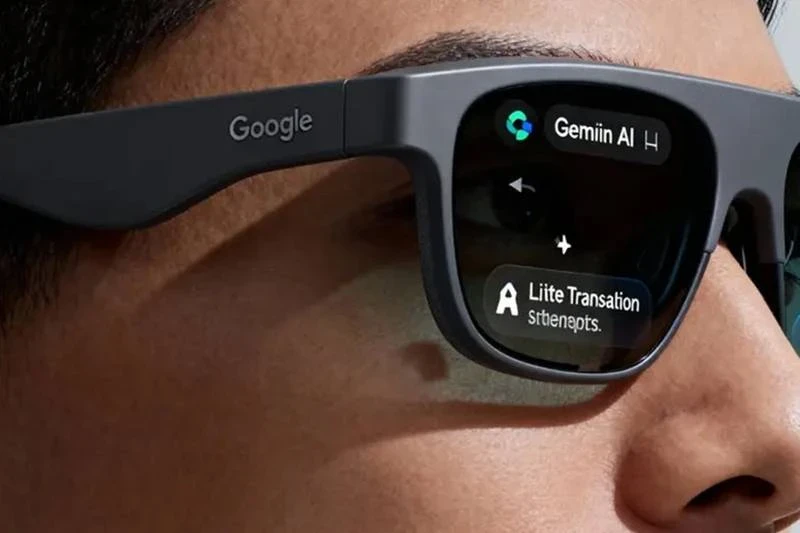
The new glasses rely heavily on the Gemini AI assistant, allowing users to interact naturally through voice and camera, without having to look at the phone.
Two different versions
Voice version: Focuses on voice communication and intelligent assistance via voice commands.
In-lens display version: Displays information such as directions, real-time translation, and notifications without having to use your phone.
Android XR system
A new platform developed specifically for Extended Reality (XR) applications combines augmented and virtual reality, opening the possibility for more advanced applications in the future.
Design more integrated into everyday life
Google aims to make the glasses look closer to traditional glasses in terms of form and comfort, which increases the likelihood of their daily use.
While the old Google Glass was controversial and impractical for many daily uses in the past, the announced new version represents the promise of a long-awaited idea — a smart device that integrates with our daily lives, based on artificial intelligence, and provides a better and more useful experience. As competition continues in the field of smart devices, the smart glasses market is on its way to becoming a real part of the future of technology