The AI Revolution in 2026: How Smart Technology Is Changing the Future
The AI Revolution in 2026: How Smart Technology Is Changing the Future
## Introduction: The Dawn of the Living Infrastructure
For decades, humanity viewed artificial intelligence through the lens of science fiction—as a distant, often intimidating prospect relegated to supercomputers and laboratory experiments. As we progressed into the early 2020s, AI manifested as a suite of novel utilities: a chatbot that could draft an email, an algorithm that could recommend a playlist, or a generator that could piece together a digital painting.
However, entering **2026**, we have crossed a monumental threshold. Artificial Intelligence is no longer an isolated software tool or a novelty item; it has matured into the **living infrastructure of global civilization**.
We are living in the era of *Ambient Intelligence* and *Collaborative Autonomy*. AI in 2026 is woven invisibly into the fabric of our houses, our workplaces, our medical systems, and our civic grids. It is an active, predictive, and multi-sensory partner that operates continuously in the background, transforming how we interact with physical reality, how we manage global crises, and how we conceptualize human potential.
## 1. The Era of Hyper-Multimodal AI and Omnipresent Agents
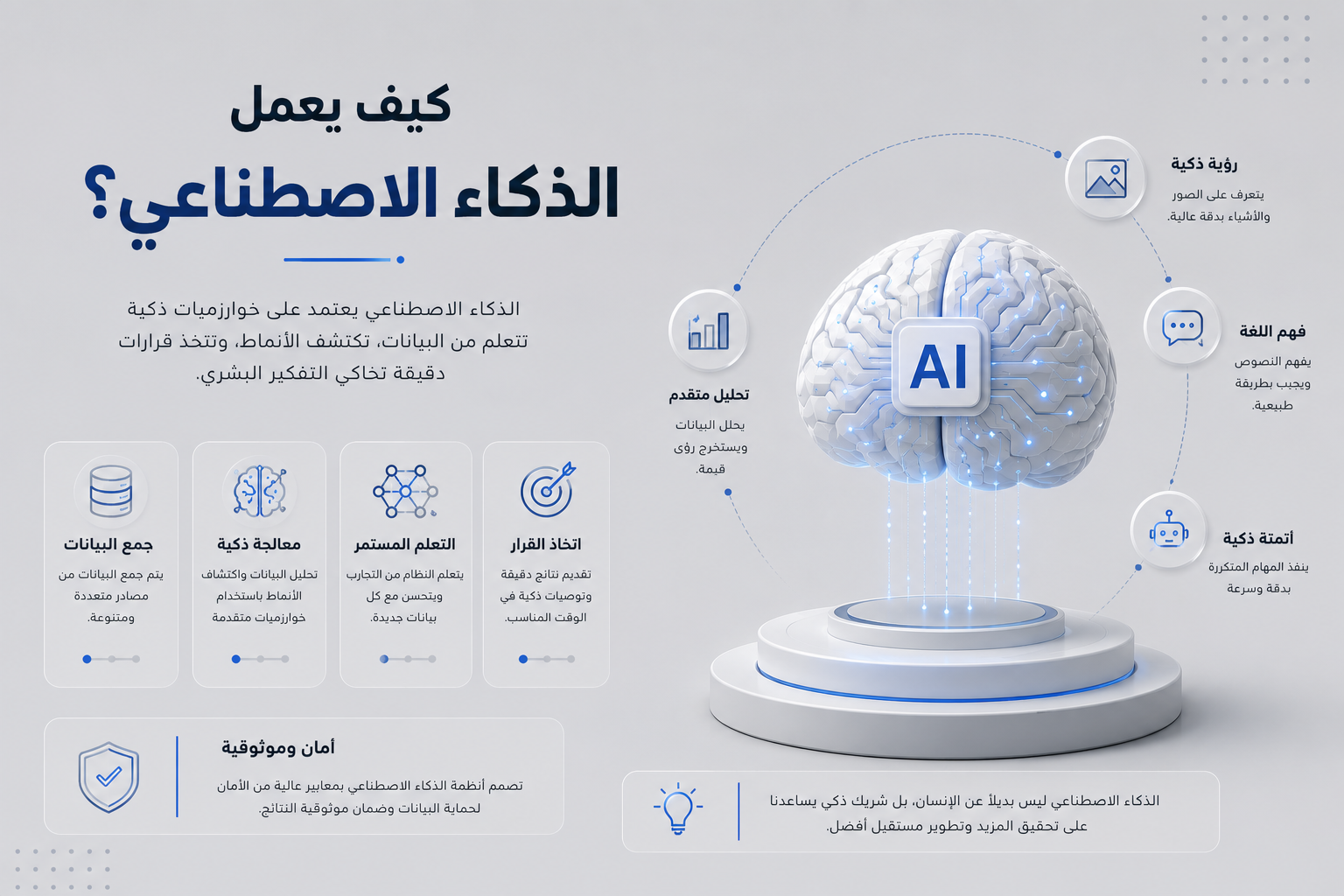
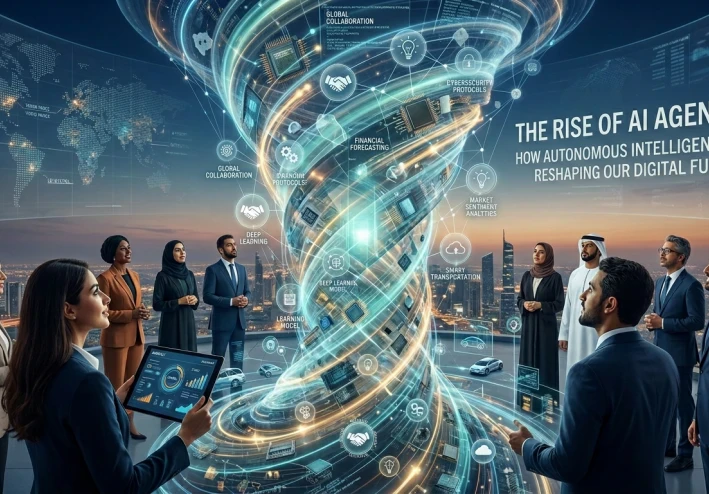
The foundational shift defining 2026 is the total obsolescence of single-mode AI. The primitive days of typing a text prompt into a box and waiting for a text response are long gone. Today, the world is governed by **Hyper-Multimodal AI Systems**—cognitive models capable of processing text, real-time audio, live video streams, spatial telemetry, and complex code simultaneously within milliseconds.
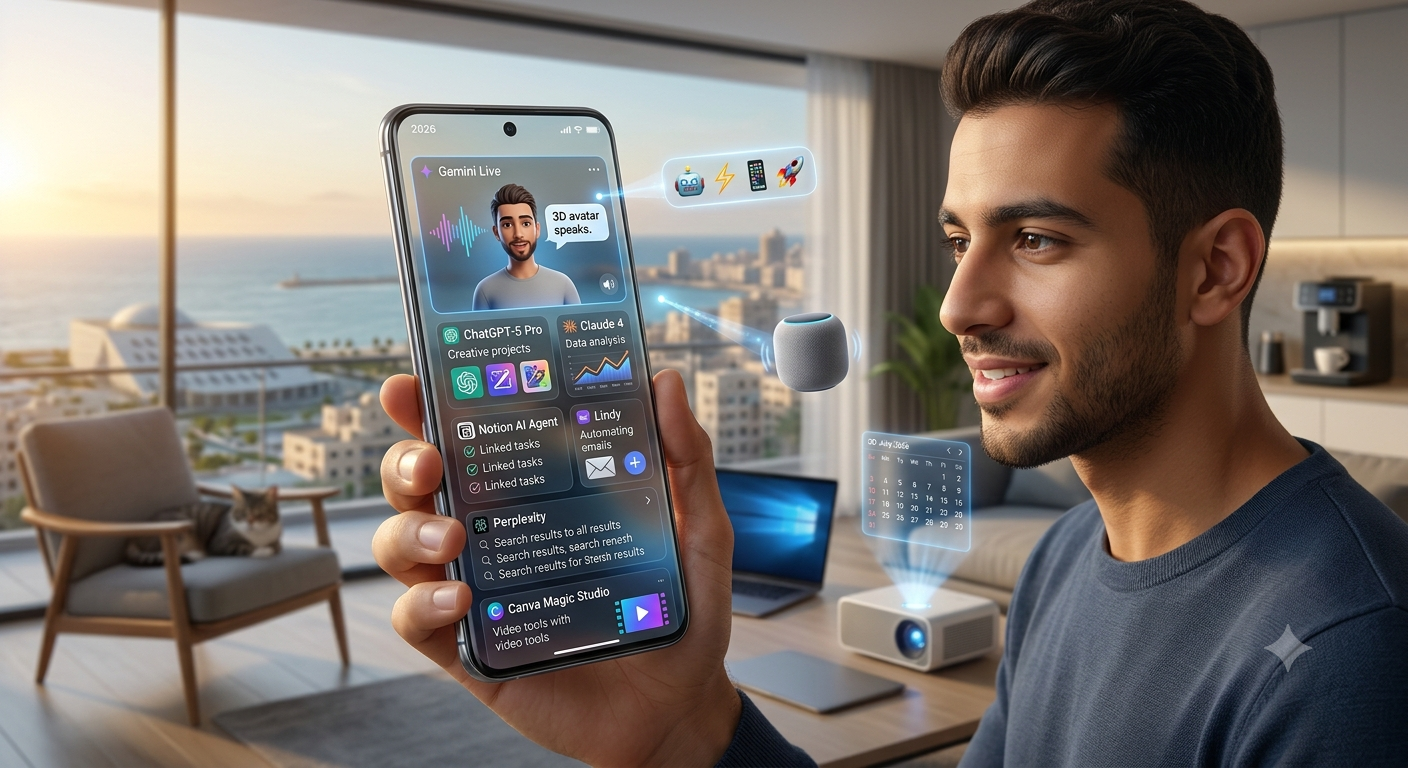
These models power **Omnipresent Digital Agents**. Rather than launching separate apps for navigation, scheduling, translation, or home automation, individuals interact with a unified cognitive companion.
These agents possess situational and contextual memory. They can look through your augmented reality (AR) glasses, notice a frayed wire on a home appliance, listen to the slight frustration in your tone, cross-reference your digital calendar, and automatically order a replacement part while scheduling a certified technician—all without a single explicit command.
This technical leap has transformed human-machine communication from a series of transactional commands into a fluid, natural conversation. To dive deeper into how these cognitive architectures are built and trained on massive data cross-sections, explore the breaking research published regularly by the [MIT Technology Review](https://www.technologyreview.com).
---
## 2. Next-Generation Cognitive Healthcare: From Reaction to Prevention
Nowhere is the impact of the 2026 AI revolution more deeply felt than in medicine and human longevity. For over a century, global healthcare operated on a *reactive* model: a patient falls ill, seeks medical attention, and receives treatment. Today, AI has inverted this paradigm, establishing an ecosystem of **Predictive, Proactive, and Hyper-Personalized Healthcare**.
### A. Continuous Bio-Telemetry and Early Intervention
Modern wearable technology has advanced past basic step-counters and basic heart-rate monitors. In 2026, non-invasive bio-sensors track interstitial fluids, subtle blood-pressure shifts, micro-tremors, and galvanic skin responses in real time.
Advanced AI algorithms continuously process these massive biometric datasets, looking for micro-anomalies that escape human perception. These systems can forecast cardiovascular anomalies, neurological episodes, or diabetic shocks days before physical symptoms manifest, prompting life-saving preventative interventions.
### B. Automated Molecular Design
The timeline required to bring new pharmaceuticals to market has collapsed. By using generative biology models, AI systems do not simply screen existing chemical compounds; they design entirely new synthetic molecules optimized to target specific cellular pathways.
| Milestone Metrics | Traditional Framework (Pre-AI) | 2026 AI-Driven Framework |
| --- | --- | --- |
| **Drug Discovery Phase** | 4 – 6 Years | 2 – 3 Weeks |
| **Clinical Trial Optimization** | Months of manual matching | Days via digital twin simulation |
| **Treatment Approach** | Generalized / Broad Spectrum | Genetically Hyper-Personalized |
To explore peer-reviewed studies and clinical trial documentation detailing how AI is reshaping contemporary molecular biology, visit the landmark scientific archives at [Nature](https://www.nature.com).
---
## 3. Cognitive Smart Cities and the Green Grid
As urban populations swell, the cities of 2026 are turning to decentralized AI nervous systems to maintain equilibrium, optimize resources, and aggressively combat climate change. The static, industrial cities of the past have evolved into dynamic, self-regulating urban organisms.
### Intelligent Traffic and Transit Orchestration
Traditional traffic lights operating on rigid, pre-programmed timers are obsolete. Modern intersections utilize localized computer-vision grids running edge-AI. These intersections communicate horizontally with one another, dynamically manipulating traffic flows across entire metropolises based on real-time vehicle density, emergency vehicle routing, and weather conditions. This interconnected system has slashed average urban commute times by up to 30% and vastly reduced carbon emissions caused by idling vehicles.
### The Autonomous Clean Energy Grid
Managing volatile renewable energy sources like wind and solar has always been plagued by predictability issues. In 2026, machine learning models analyze macro-weather patterns, historical consumption data, and real-time industrial demands to predict energy generation and load requirements with pinpoint accuracy.
The AI dynamically routes surplus energy into distributed grid-scale batteries or localized thermal storage systems, ensuring total grid stability without relying on carbon-heavy baseline power plants. To review global policy whitepapers and international urban planning strategies utilizing these technologies, read the latest assessments hosted by the [World Economic Forum](https://www.weforum.org).
---
## 4. The Augmented Workforce: The Reality of Human-AI Co-Piloting
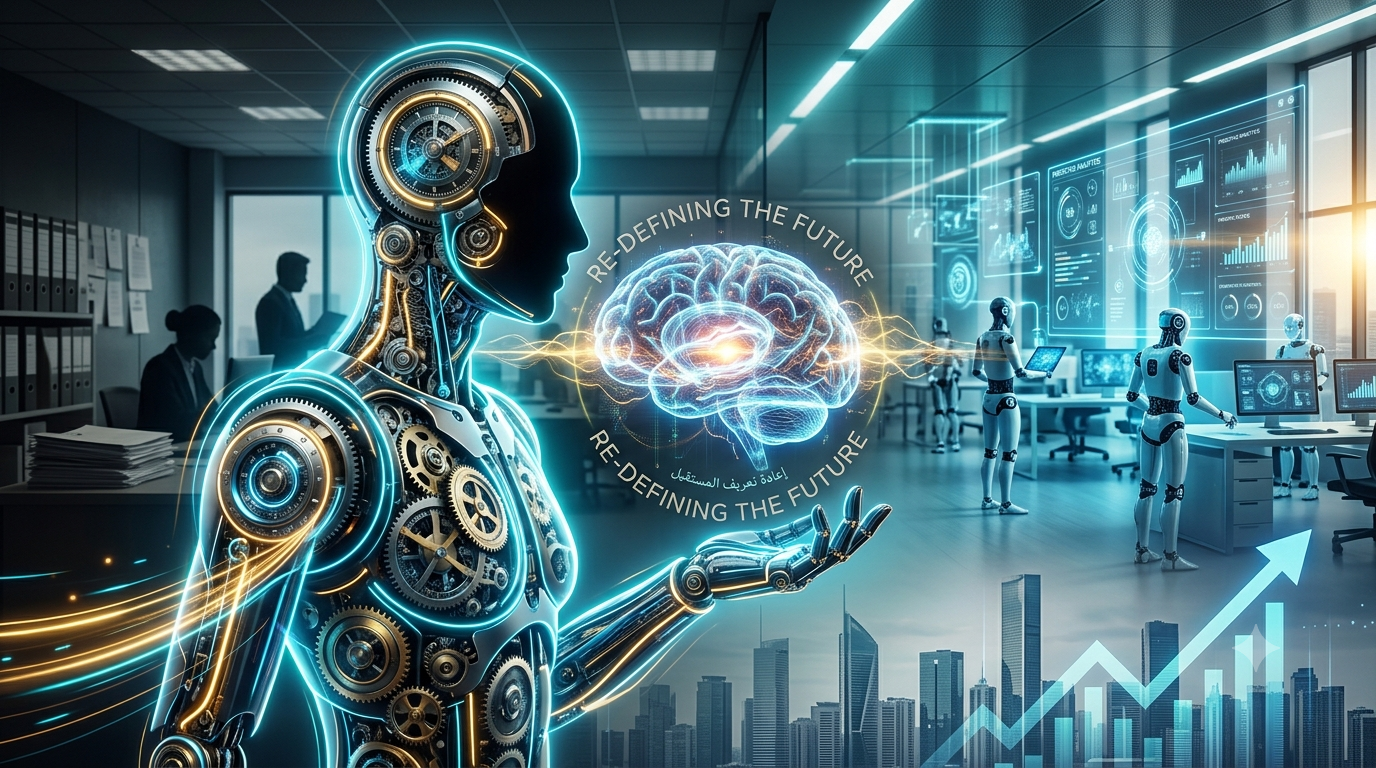
The early economic anxieties of the 2020s predicted that automation would cause widespread, structural unemployment, wiping out creative and white-collar sectors alike. In 2026, the reality has proven far more nuanced and collaborative. We have transitioned into a landscape defined by the **Augmented Workforce**.
Rather than displacing professionals, AI serves as an indispensable co-pilot across every major vertical:
* **Software Engineering:** Programmers no longer spend hours writing boilerplate code or tracking down syntax errors. They act as software architects, describing system requirements to AI systems that generate, test, and deploy clean code instantly, allowing engineers to focus on high-level system design.
* **Legal and Finance:** Reviewing thousands of pages of discovery documents or compliance logs—a process that once took legal teams weeks—is executed by AI systems in minutes, complete with rigorous risk assessments and citation mapping. Human attorneys can focus their efforts entirely on courtroom advocacy and creative litigation strategies.
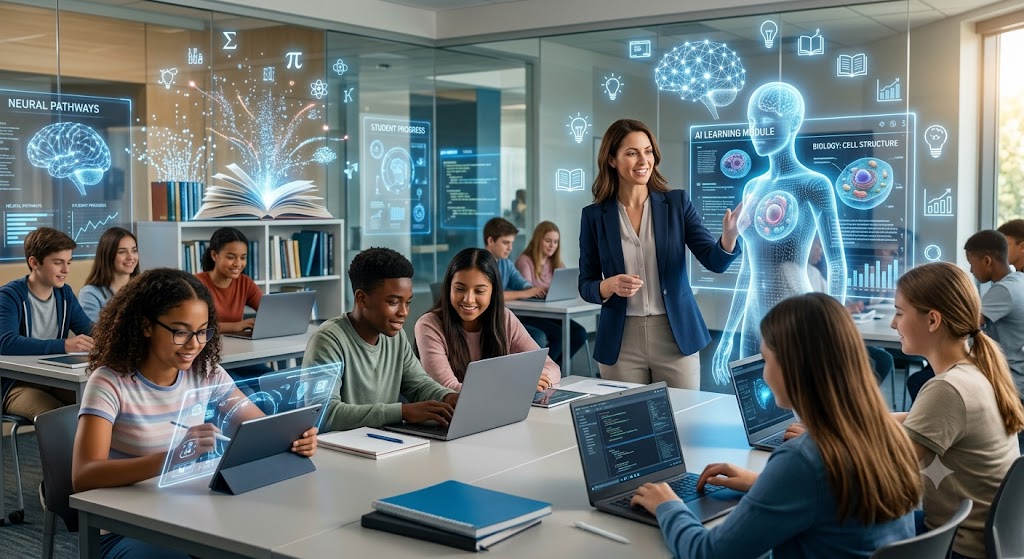
* **Education:** Teachers utilize AI teaching assistants to design custom curricula tailored to the precise cognitive pace, strengths, and cultural context of each individual student, effectively democratizing elite-level personalized tutoring.
---
## 5. Overcoming the Friction: Security, Ethics, and the Trust Horizon
While the benefits of the 2026 AI revolution are undeniable, this rapid integration has brought profound societal, philosophical, and regulatory challenges to the forefront. The conversation has shifted away from raw capability and toward **alignment, safety, and systemic integrity**.
### The Fight for Data Sovereignty and Privacy
With AI processing vast amounts of audio, video, and medical telemetry, personal privacy has become a critical priority. The year 2026 has seen a surge in **Federated Learning** and **Edge-Computing**. Instead of sending raw, deeply personal information to massive corporate cloud servers, AI models process data directly on your local device. The model learns from your habits locally, keeping your sensitive identity information private.
### Combatting Sophisticated Synthetic Media
As generative video and voice synthesis become completely indistinguishable from reality, the proliferation of deepfakes and automated disinformation campaigns threatens public trust.
To combat this, 2026 has seen the widespread deployment of cryptographic provenance protocols—digital watermarks built directly into the metadata of media at the moment of capture. This allows browsers and verification systems to verify whether a piece of footage is authentic or synthetically altered.
> “The central challenge of 2026 is no longer teaching machines how to think, but ensuring that as they think, they remain steadfastly aligned with human ethics, equity, and truth.”
---
## Conclusion: The Path Forward
The AI revolution in 2026 marks a turning point in human history. We are no longer operating in a world where technology is merely an external tool used to alter our environment. We are living inside an environment that is itself intelligent, responsive, and adaptive.
This revolution does not diminish the value of human agency; rather, it amplifies it. By automating cognitive drudgery, optimizing resources, and diagnosing global problems with unprecedented speed, smart technology has cleared away the operational friction of daily life. The ultimate success of this era will not be measured by the speed of our processors or the size of our neural networks, but by our ability to leverage this cognitive surplus to build a healthier, more sustainable, and profoundly creative global society.